Eleusis. Greece.

The archaeological area of ​​ancient Eleusis occupies a small rectangular area on the outskirts of Athens. It is easily and inexpensively accessible from the center of Athens. We took the Megara bus at the Tisio metro station, which in 30 minutes brought us directly to Eleusis. It is only necessary to cross the road and climb a hundred meters up. It cost 2 euros one way. Here, during the time of ancient Greece, Eleusinian mysteries were held, associated with the cult of Demeter and Persephone. Demeter came to Eleusis after the abduction of her daughter Persephone by the god of the kingdom of the dead by Hades. Demeter sat and grieved in a grotto in Eleusis. From her sadness the world froze: trees and flowers stopped growing, animals, birds and fish died. Then Zeus sent Hermes to Hades with the order to return Persephone to his mother. Hades let the queen eat a pomegranate seed. He knew that whoever eats something in the world of the dead should return there. Therefore, Persephone spends two-thirds of the year on earth with his mother. and one third with her husband. When Persephone with her mother on the earth everything blooms, grows and bears fruit. .When Persephone returns to Hades, winter comes on earth.

Persephone returned to life from the realm of death. A myth that gives hope to people, saying that there is a reincarnation of the soul, that death is the end for the physical body, but not for the spirit. After death, a new life begins. In antiquity, seriously ill people were brought to Eleusis, and their stay in this place made it easier for them to leave the physical plane.

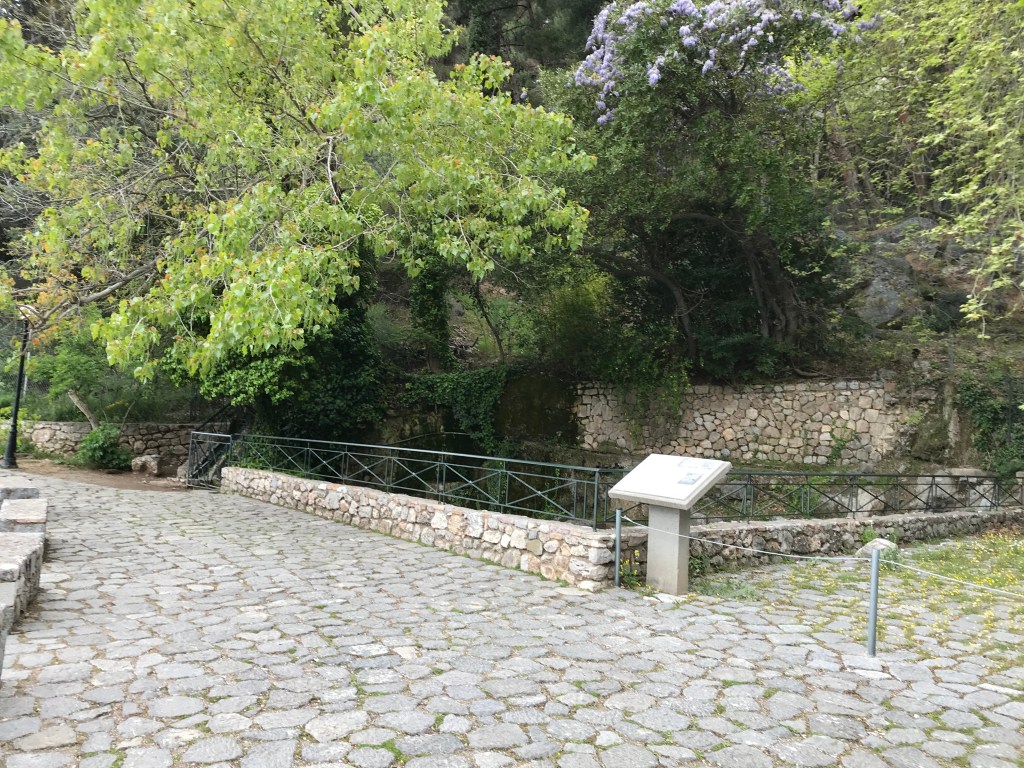
Not far from the entrance there is a well, next to it there is an inscription saying that around the well there were dancers and sacrifices.
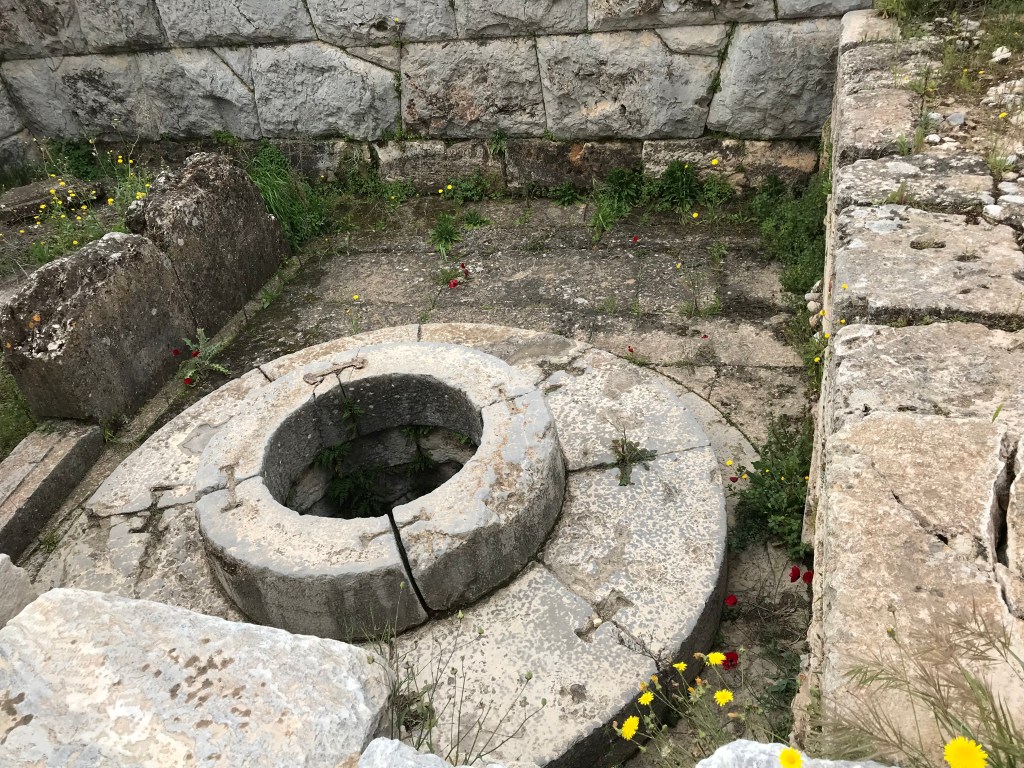
We go further into the archaeological park, we pass by the marble base with high steps, inherited from the ancient temple. To his left are underground structures. There is water in them below, and I get the feeling of entering an underground city.

To the right of the marble base of the temple, in the rock you can see the grotto or cave of Demeter. It was here that Demeter sat when she was sad about her daughter Persephone. In front of the grotto there is a stone block and smaller stones scattered around. It looks like a place where the mystes could sit. But it is fenced off with a rope.

There is also a well through which Persephone left and came. In this place, the previous settings remained and the well is a passage into the world of Persephone, into the world of the dead.
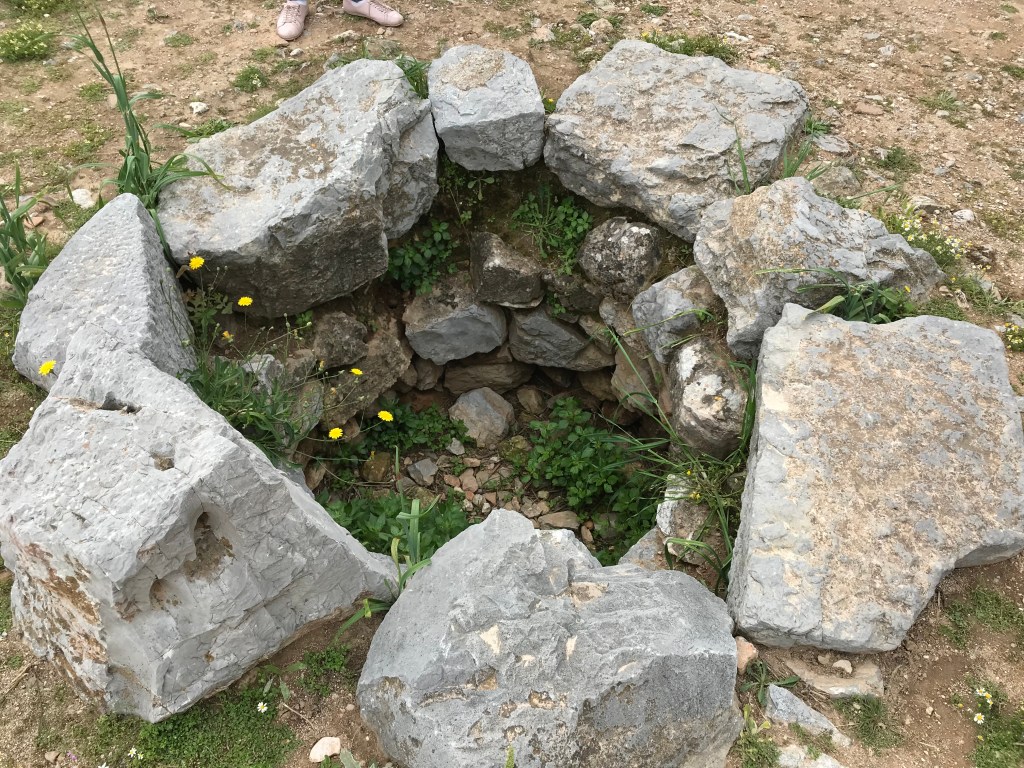
We sat opposite the grotto, next to the well, on the protruding stones. Previously asked permission from the employee of the museum park. There were few visitors, there was practically no one but us, so the employee stood at a distance of two hours of our work and watched us. As it turned out, I watched carefully. A small dog came to us and I treated her with my sandwich. But, as soon as I began to eat the rest of the bread and cheese myself, she remarked to me that it was impossible to eat here.
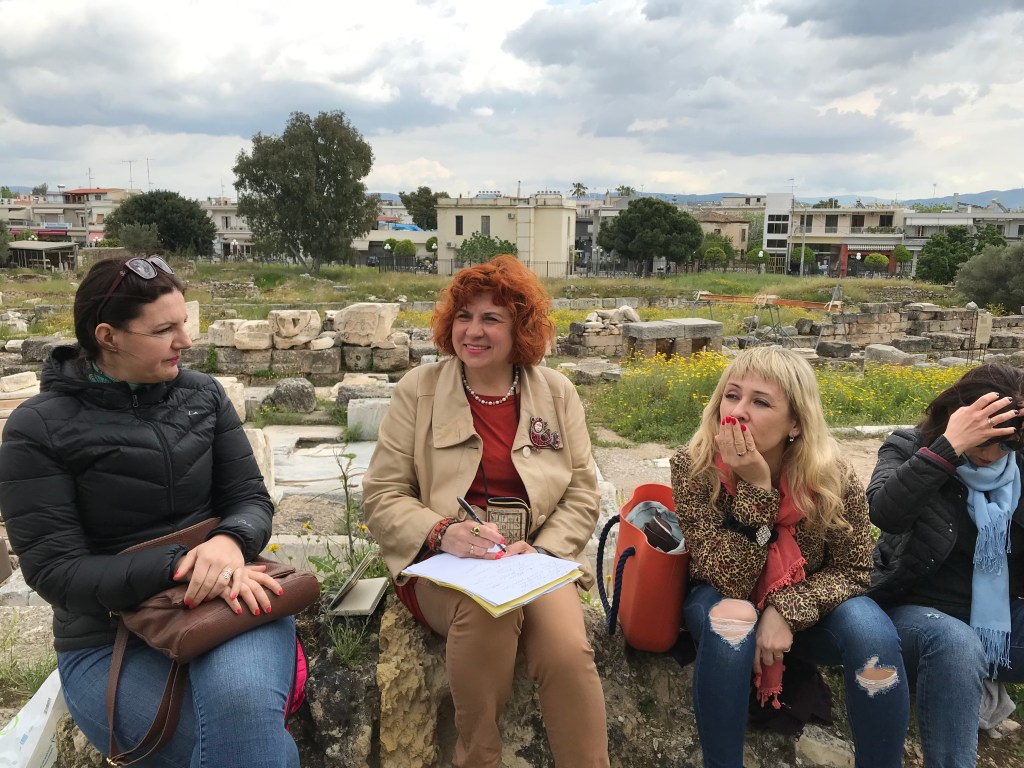
When we finished work, other visitors came to the cave right away, apparently for the same purpose – to tune in to Persephone and Demeter.
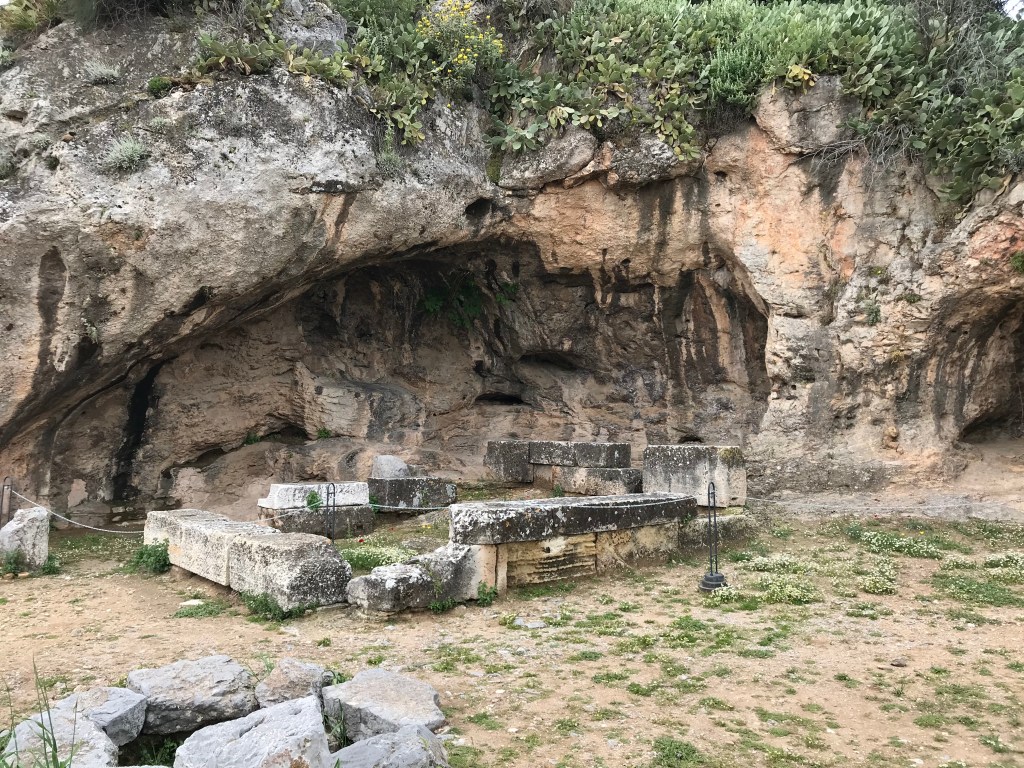
Two hours later, having completed the entire program, we went to the museum upstairs. There are marble bas-reliefs, statues and utensils found in Eleusis. Little is known about the Eleusinian Mysteries. After all, the Mists vowed to keep a secret. I hoped that the museum would learn something new about what was happening here. The museum has images and statues of Demeter and Persephone. A lot of different dishes. Apparently it brought gifts.

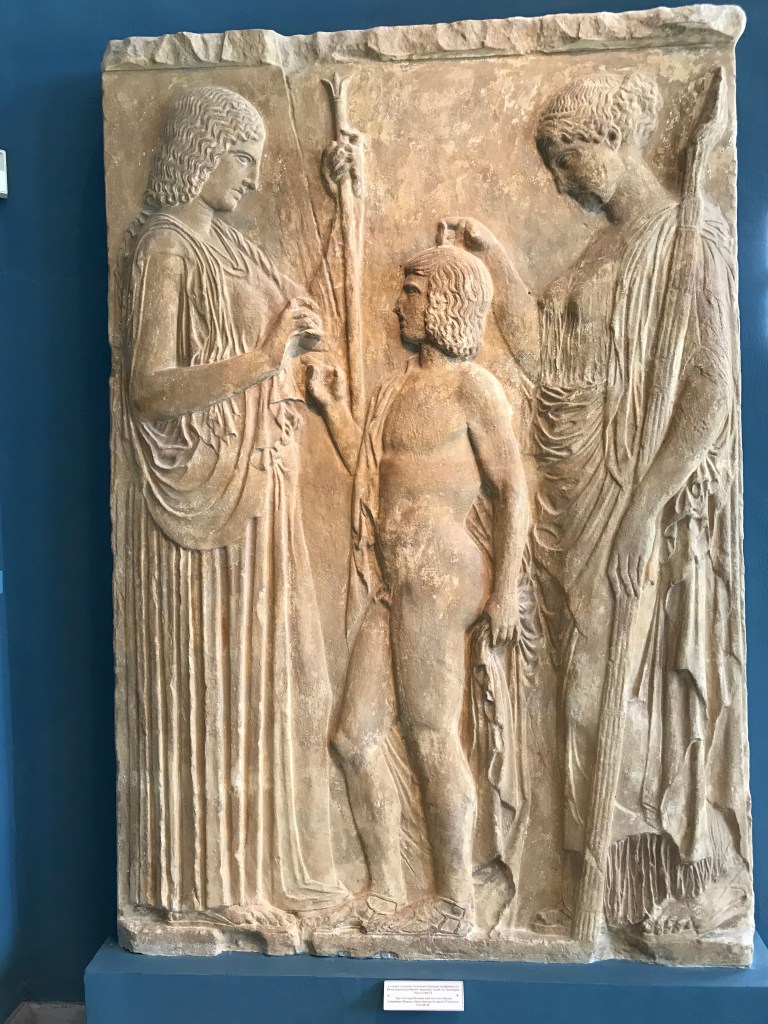
I didn’t like Eleusis very much by its humanity and by the fact that a piece of past Eleusinian mysteries was preserved here.

  04/20/19

Delphi. Temple of Apollo. Temple of Athena.

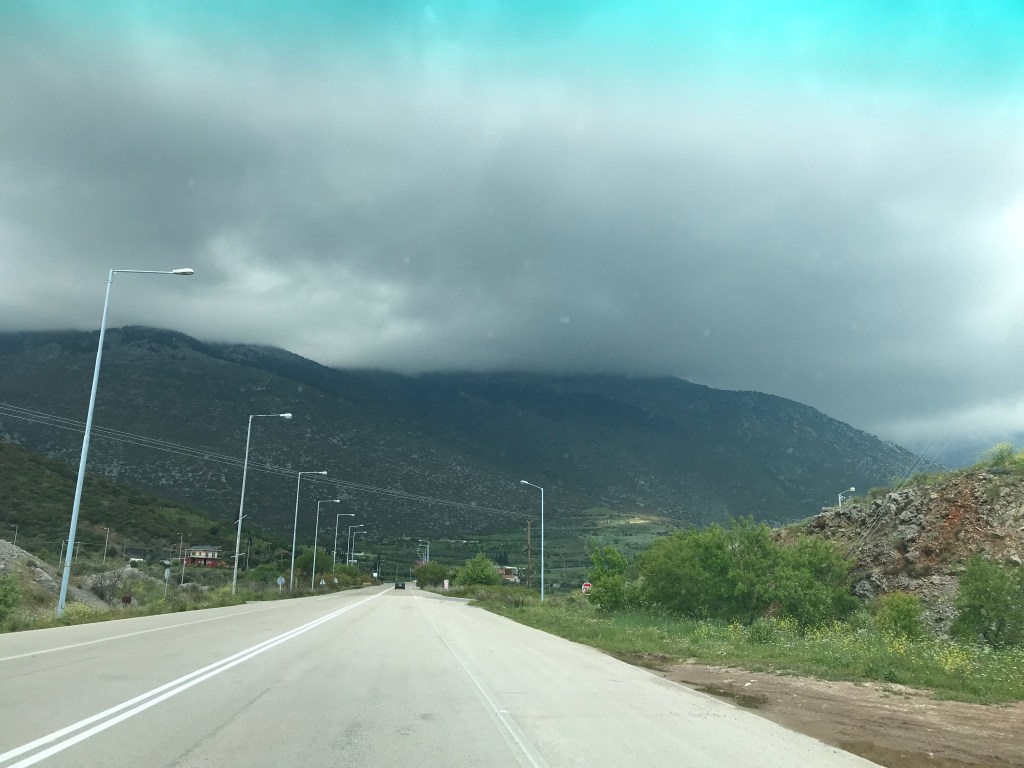
The road from Athens to Delphi goes between the mountains. Clouds hang over the mountains and there are vertical white columns of steam.

We overcome the distance of 240 kilometers on a rented mini Van in 3 hours.

In the ancient world, every self-respecting person came to Delphi. In past times, works of art and jewelry from all over Hellas – gifts from cities and islands were collected here. What was not there – the Sphinx and the Lions, the golden statue of Apollo, the rich treasury and utensils, temples and columns.

I kept thinking how many days did it get here from Asia Minor, from island states in the Aegean and Ionian Seas? In Delphi there were Midas of Lydia, Tarquinius the Proud, Croesus, Alexander of Macedon.

What were Delphi famous for? Here in the temple of Apollo, the Pythia broadcasted the future, gave answers to questions, conveyed to people the will of the gods. From the temple there was an exit to a crevice in the mountains, in which, under the influence of special fumes, the Pythians entered into a trance and transmitted messages in verse.

Delphi flourished in the 5th – 3rd centuries BC. Even before the foundation of the temple, according to local legend, shepherds grazed goats on Mount Parnassus. The goats at the crevice of the cave began to behave strangely: they bleated with almost human voices.

Another legend is connected with the god of the sun, art and divination – Apollo. As soon as he was born on the island of Delos, he immediately took a bow and golden arrows and flew to Parnassus to fight the monster Pithon. He killed Python and for 8 years atoned for the sin of murder. In ancient Greece, only people with an unsullied reputation were allowed into Delphi.

At the foot of the mountain is Kastalsky spring with sacred water. Before entering the Delphic Temple, travelers were washed in the waters of the Kastalsky spring. Then they went to the temenos – a sacred piece of land. There was the temple of Apollo and the oracle.

Myths say that Apollo leads dances with nymphs at the waters of the Kastalsky spring. When he leads round dances the earth and the gods rejoice.

     I washed my face with running water at Kastalsky spring. A tree grows next to it, it seemed strange to me.

Already when we left twice, I returned to the tree. The tree attracted my attention, and the most understandable thing I can say: As if the tree has grown together with a rational being.

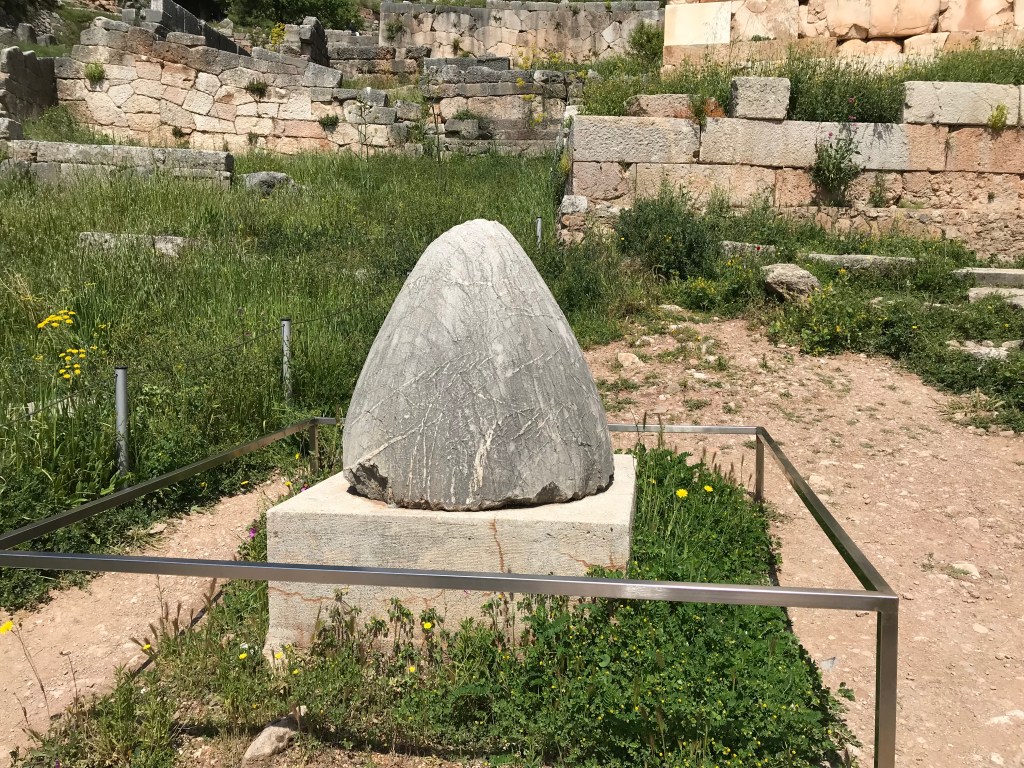
We climb the Via Sacra – the sacred road. The first interesting object on our way is the Omphalos stone – the navel of the earth, or the center of the world. Now, a smooth gray stone with white veins is installed in this place, resembling half an egg cut horizontally. At the local museum, I saw another Omphalos in brown floral patterns.

According to legend, Zeus released two eagles and at this point the eagles met.

    What is a navel? This is the place through which the child is connected with the mother and the main source of nutrition for the child. Maybe a closer contact with the planet is being established here and a person receives help and better options for his future?

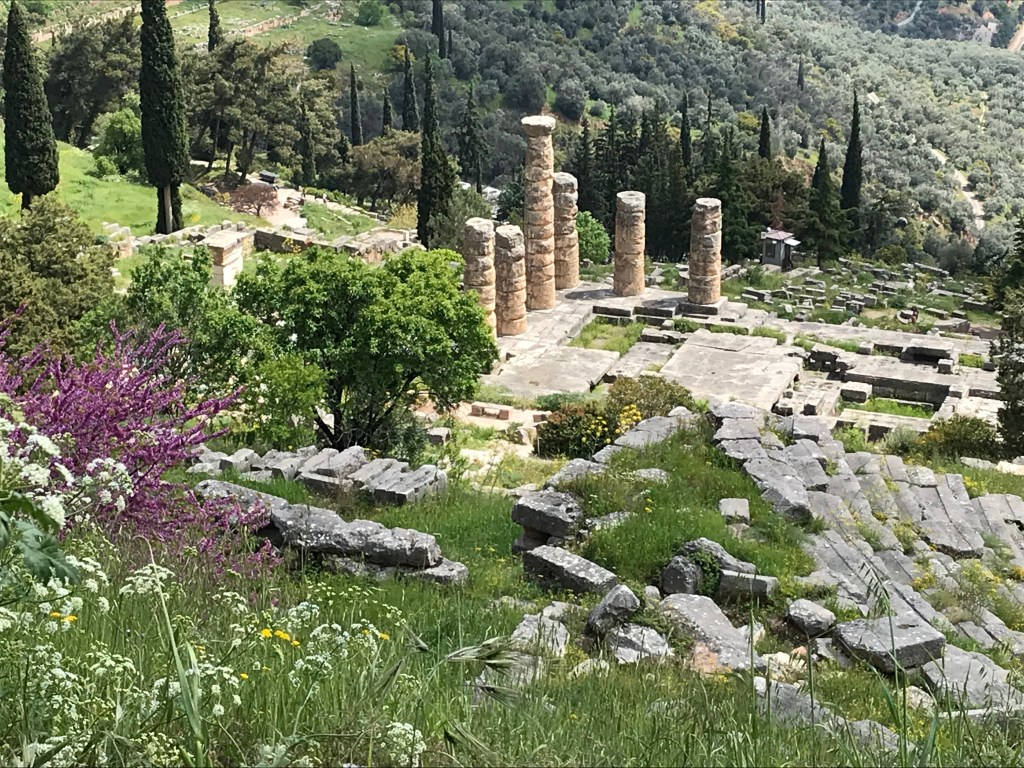
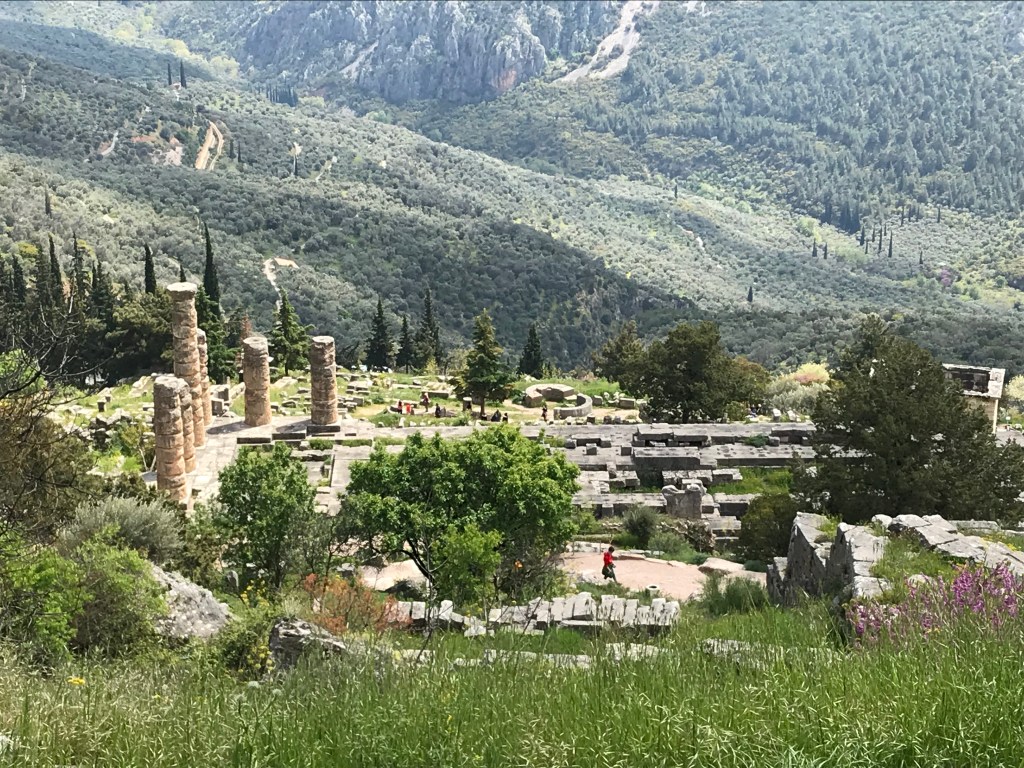
We climb higher to Mount Parnassus and before us appears the temple of Apollo in the form of several columns on a stone foundation. Its dimensions are 60 by 23 meters. It was built in the style of the peripter and had 15 columns in length and 6 in width. Now he has left the foundation and several columns.

From this place opens a unique, one of the most beautiful views of the mountains and the valley.

I was wondering where is the cleft in the rock, near which the Pythian priestess sat and spoke her prophecies. In front of me was a rectangle of a temple, next to stone blocks. In the side facing down, in the rear, stone masonry was visible in the ground.

A feature of Greek museum parks is the people whistling a whistle. You can’t sit on ancient stones, you can’t touch with your hands, everything around is closed and tied with ropes. On the one hand, it makes sense because there are too many visitors and everyone will be trampled, and the marble will turn black. I wanted to see what’s down there. After all, history accurately says that there was an exit to the cave in the temple connected with a crevice. Together with the student, we went down and went behind the temple. I looked in, and there was a rectangular stone box underground, the size of a room. Then we whistled, and had to leave. I managed to see that there is no crevice in the rock anywhere. Could be bombarded in this stone box?

At the very top of the mountain is a stadium, quite well preserved. It held the Pythian Games in honor of Apollo.

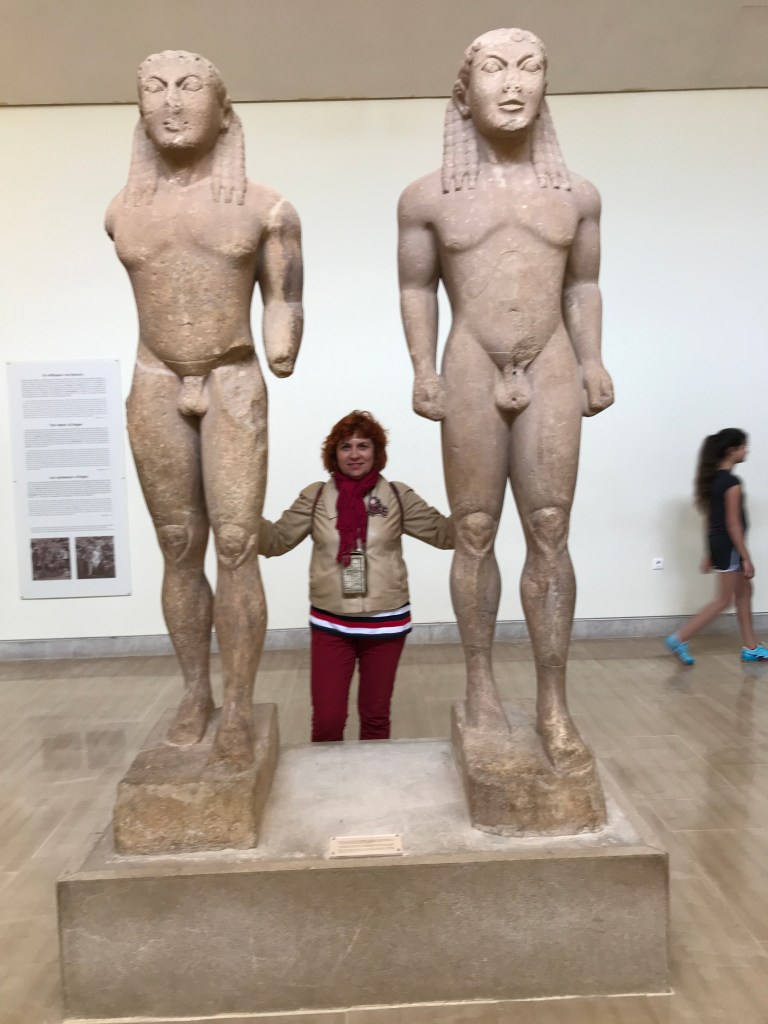
Not far from the temple of Apollo is a museum with what survived from being pulled by all who could.

Only Emperor Nero took 500 marble statues from here to his palaces.

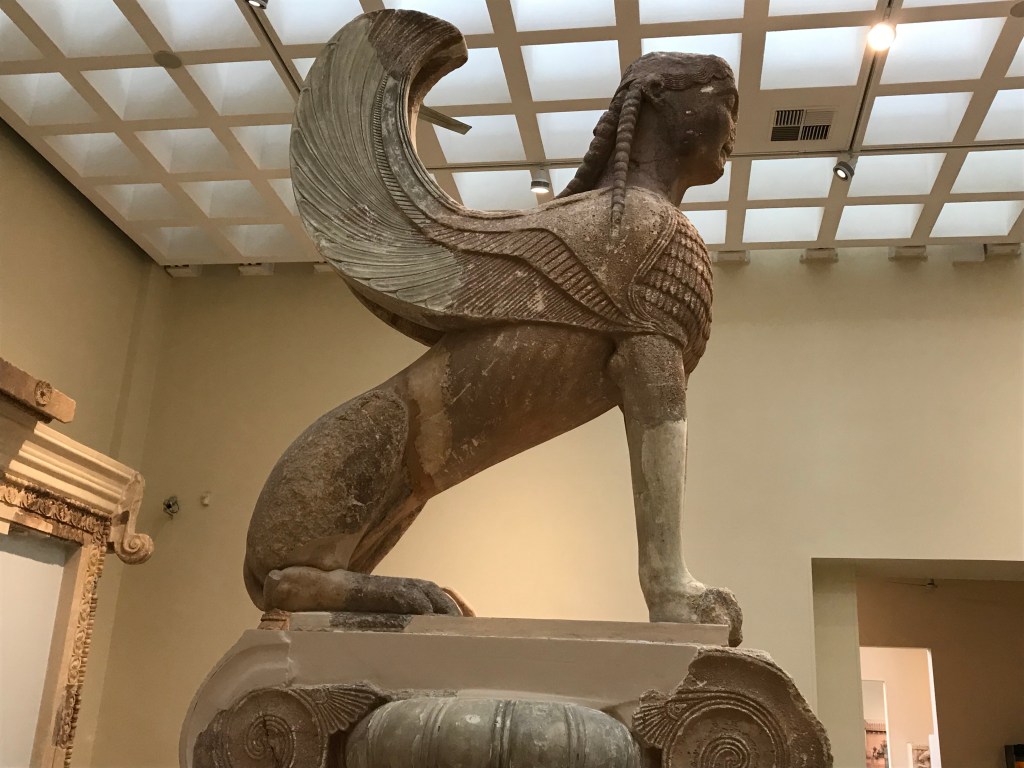
In the museum I liked the sphinx and the statue of Nicky – the goddess of victory. The statue was originally located at the very top of the temple of Apollo, and as if emitted the light with which it has been saturated for hundreds of years.

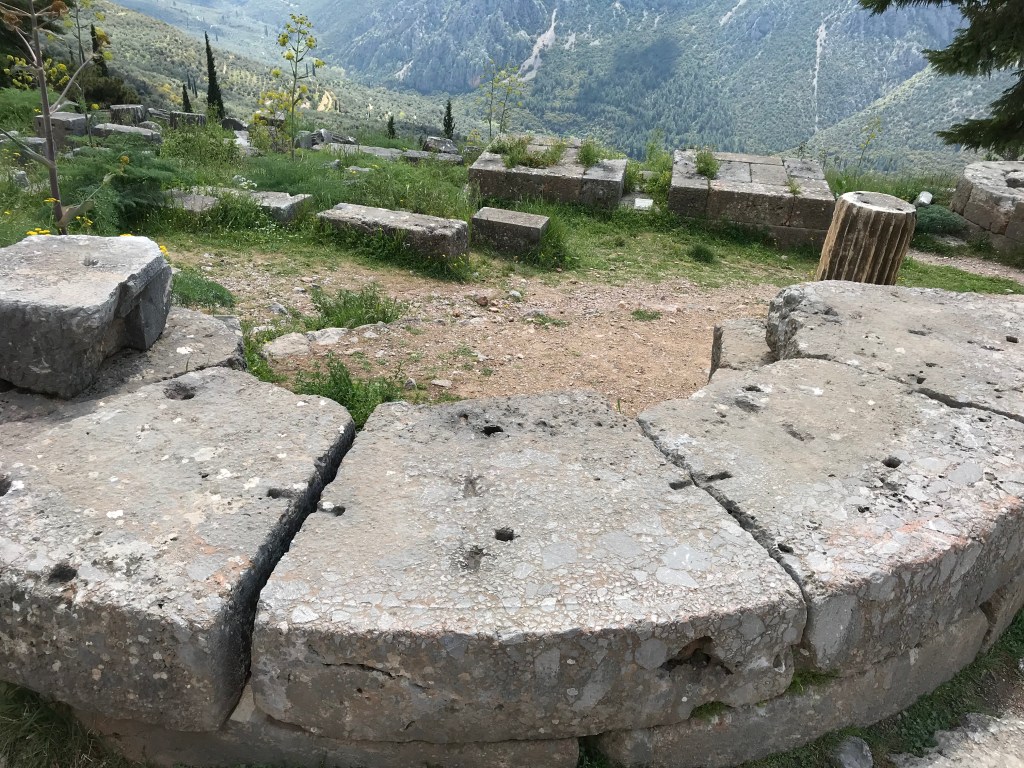
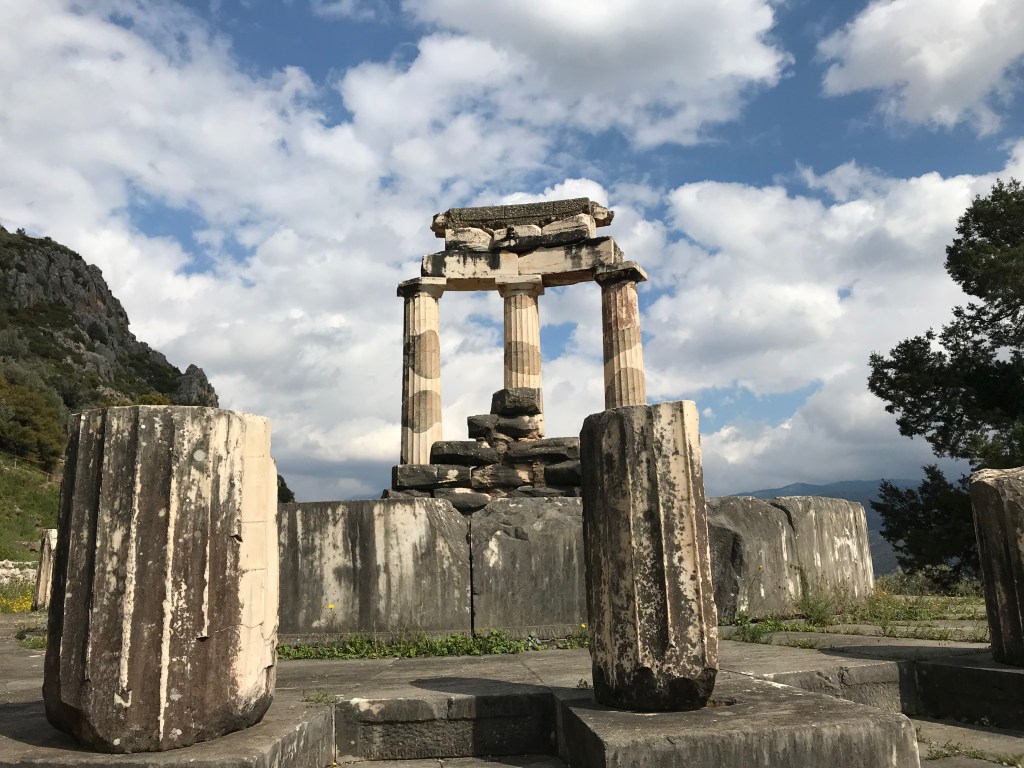
If you go down from the Kastalsky spring, then after a few meters the road begins leading to the temple of Athena. The temple has an unusual round base.

Beautiful place

Especially in the spring, in a bright yellow carpet of wild flowers.

Delphi is an amazing place. It breathes differently. It has its own beauty and harmony. Maybe millennia-old pilgrimages created a special halo, maybe nature itself with crevices, vapors and greenery of mountains and valleys tried, in any case, Delphi stand out and remember forever.

  04/19/19

Villa Winter. Secrets of the Wehrmacht.Jandia Peninsula. Fuerteventura island.

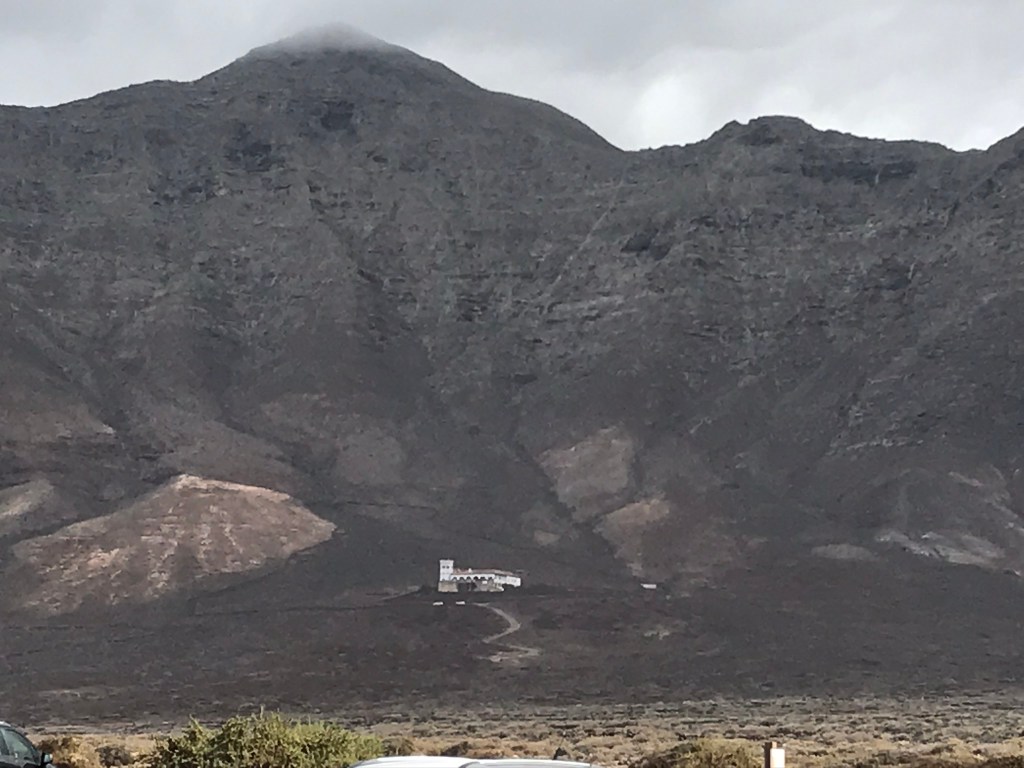
On the southernmost point of Fuerteventura, which belongs to the Canary Islands, in a place protected by cliffs on the one hand, and on the other hand, open always to the calm ocean, is the estate of Winter.

The house was built in the 40th year of the 20th century. More accurate information could not be found. The villa was built by prisoners from the concentration camp Tethius. According to their testimonies, they built a runway in the villa and saw tunnels going into the mountains. Engineer Winter was engaged in construction. Winter himself lived here until old age. The island of Fuerteventura at that time was little populated by people. The Germans evicted a few residents from the Jandia peninsula and started building the house.

One thing is clear – they were looking for a secluded place on a deserted island, protected by cliffs and with access to the ocean. This villa is surrounded by stories about tunnels from the house to the ocean, about submarines, about military and genetic experiments, about the arrival of Hitler and other high-ranking officials in Germany.
       We go to the villa with our Spanish friends Inessa and Miguel, who live on the island. We settled on the shore of the Atlantic Ocean in the town of Gran Tarajal.

With Miguel and Iness, we drove from Gran Tarahal to the Jandia Peninsula, to the lighthouse on the southernmost point of the island, to the town of Kefet, in which Villa Winter is located. The closer we get to the place we are interested in, the more difficult the road becomes.

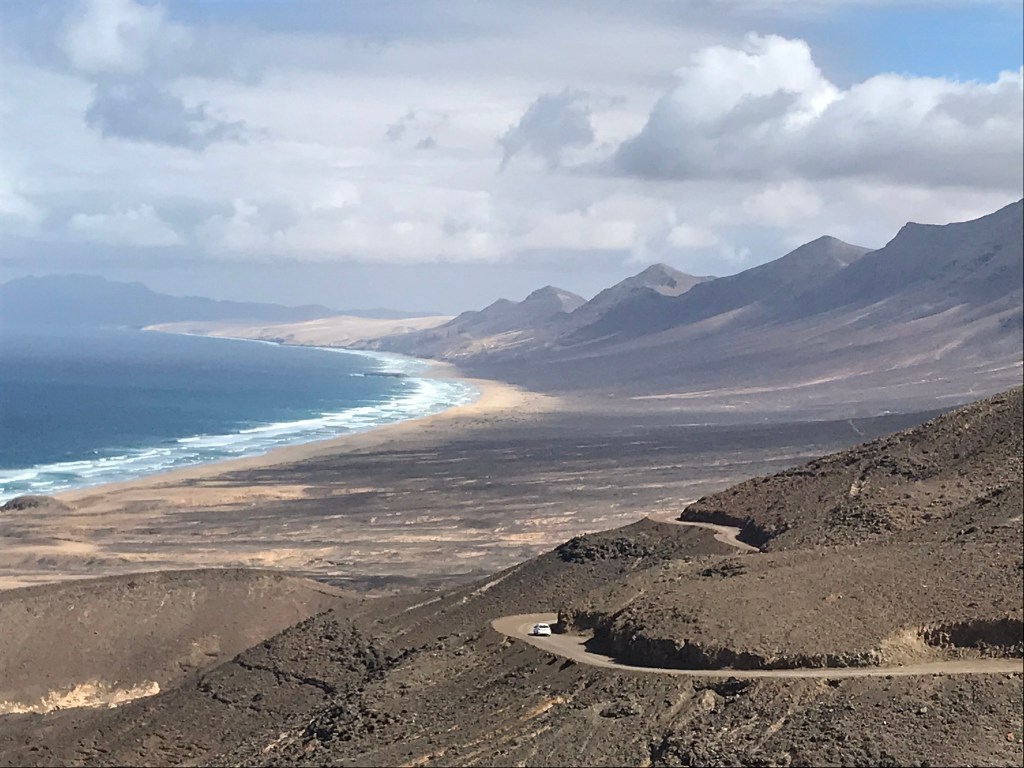
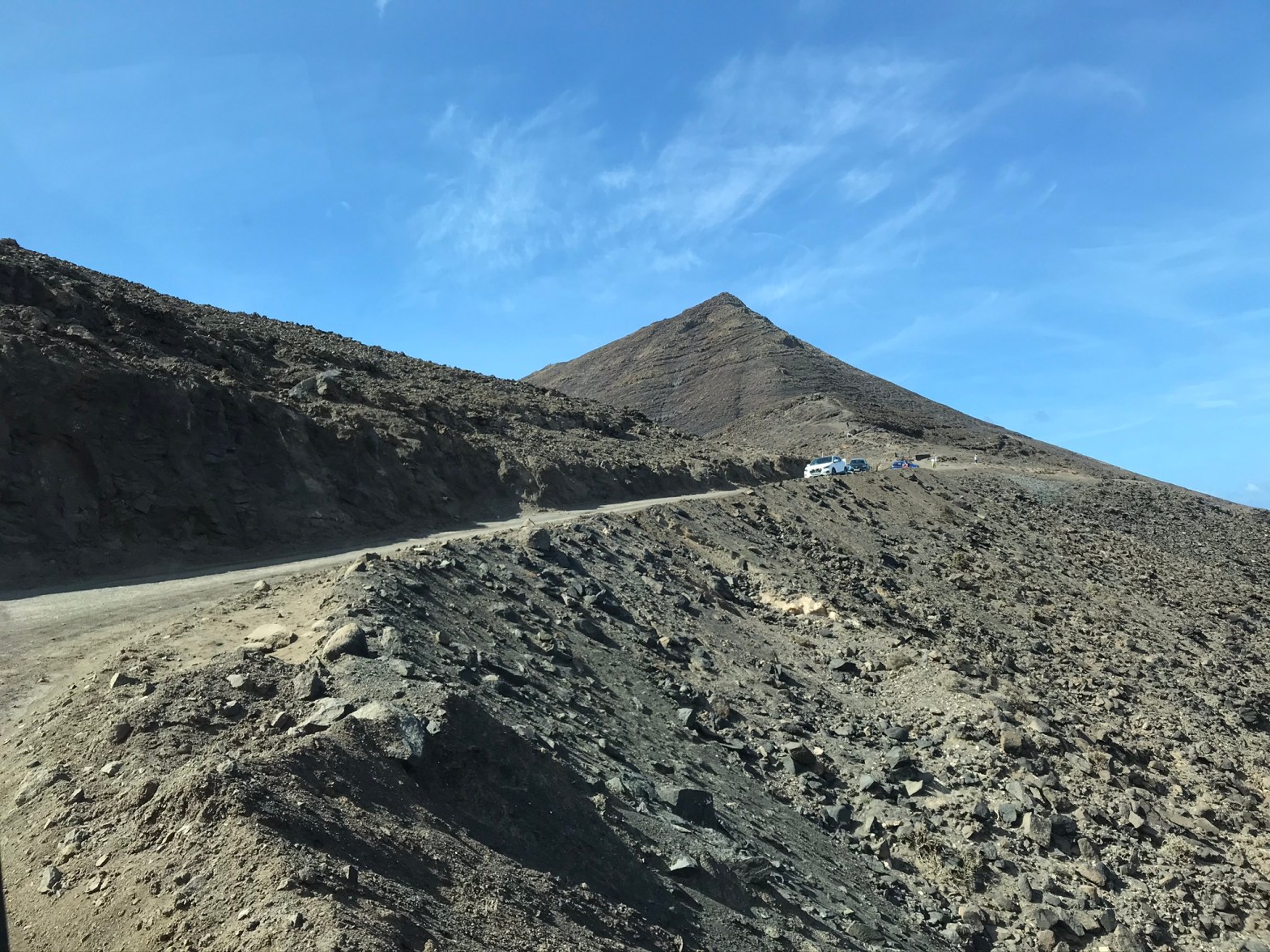
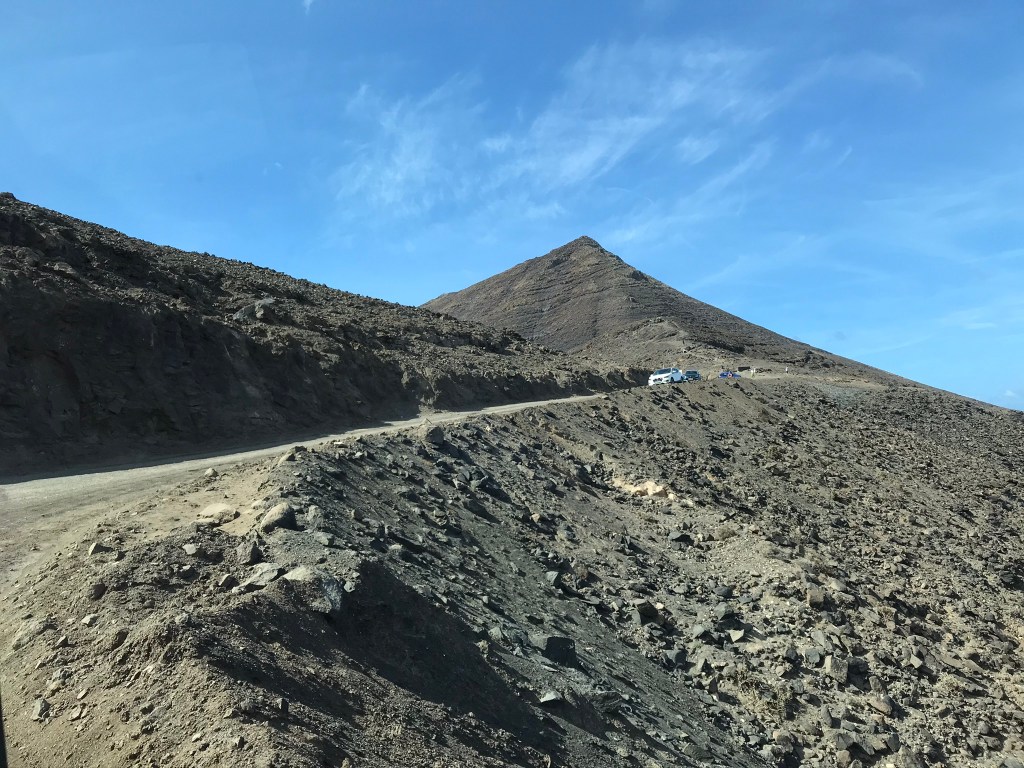
We are driving along a dirt road, loops rising into the mountains.

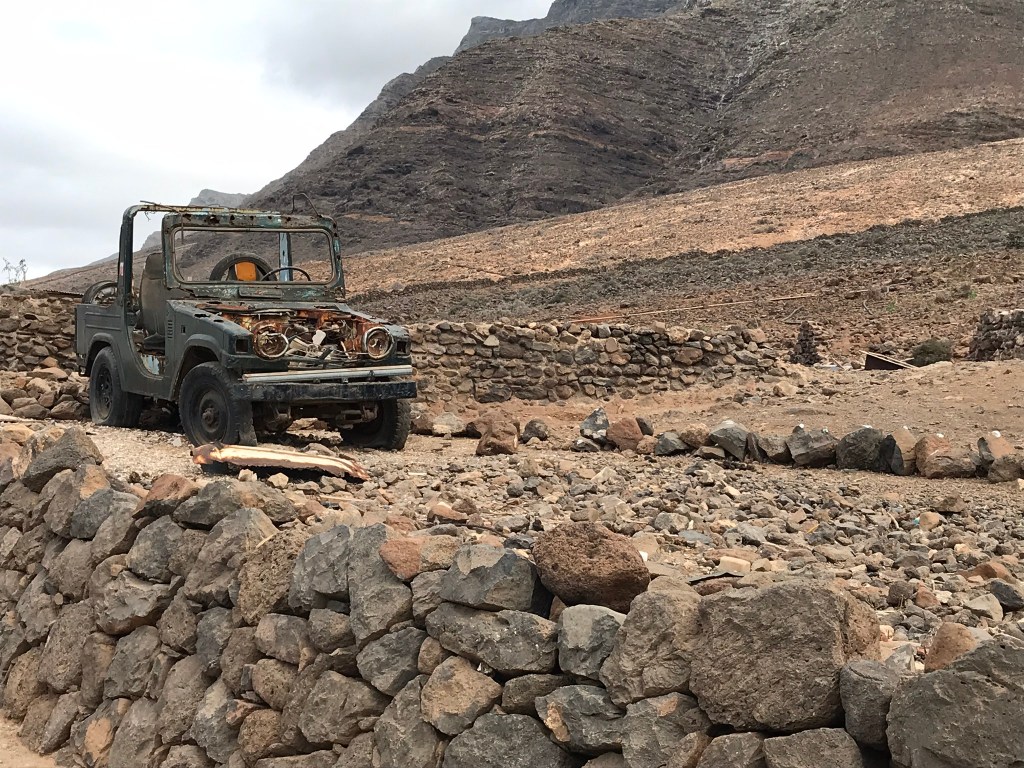
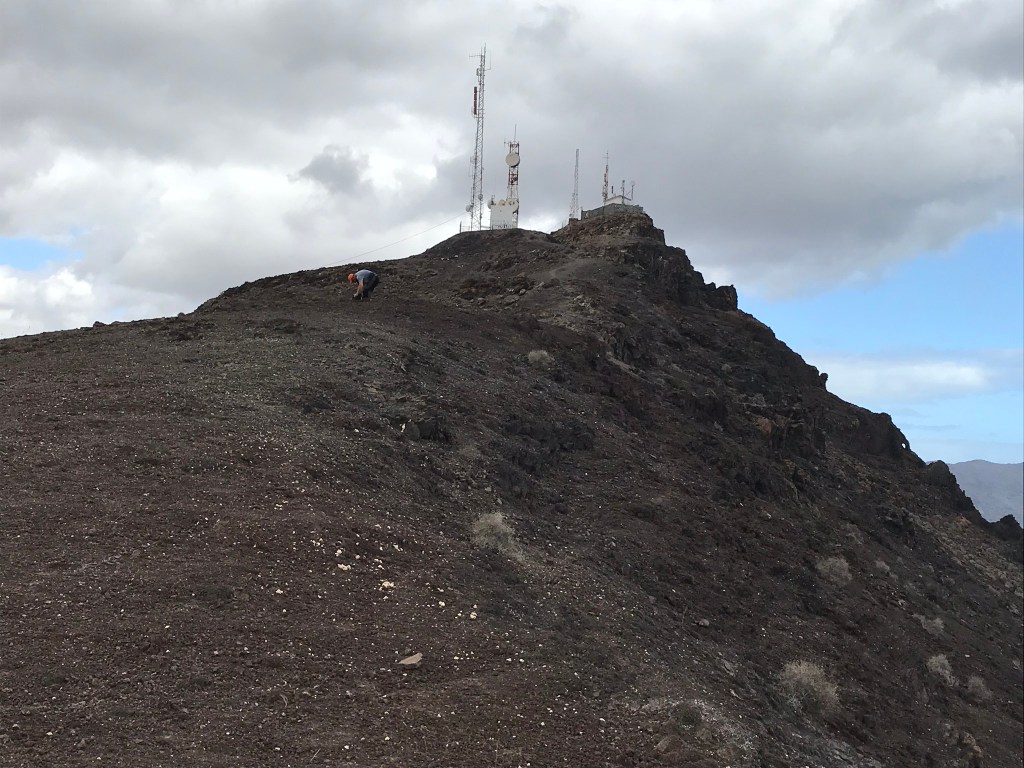
Like, and on the whole island, the mountains here are black, without greenery.

Rare milkweeds and thorns grow on the hillsides and serve as food for the goats that live here. Miguel says that several years ago one car could drive along this road, and even earlier, there was practically no road. This is the first riddle. How to build a villa, and then live on it without roads? It turns out that everyone was brought by airplanes and submarines. Near the villa there is a small airfield.

The closer to Winter’s house, the stronger the wind blows. Imagine an island in the Atlantic Ocean, one side looks at the African continent, the other at the European one. Fuerteventura has an elongated shape. At the junction of the warmer ocean from the side of Africa with the cold, on the other hand, the wind always blows, always the waves knocking down, even in calm weather. It has its own charm – a seething ocean, wind, black rocks.
     We enter the house, white with a patio inside.

The house has a tower.

The owner of Pedro Fumero gives us a tour of the house and the underground floor.

It is good that we have friends who are translating for us from Spanish into Russian what the host is telling us. He is the grandson of a person serving the villa during the lifetime of engineer Winter on it. The house smells of old things. Everything remains here, as was the case with the Germans.

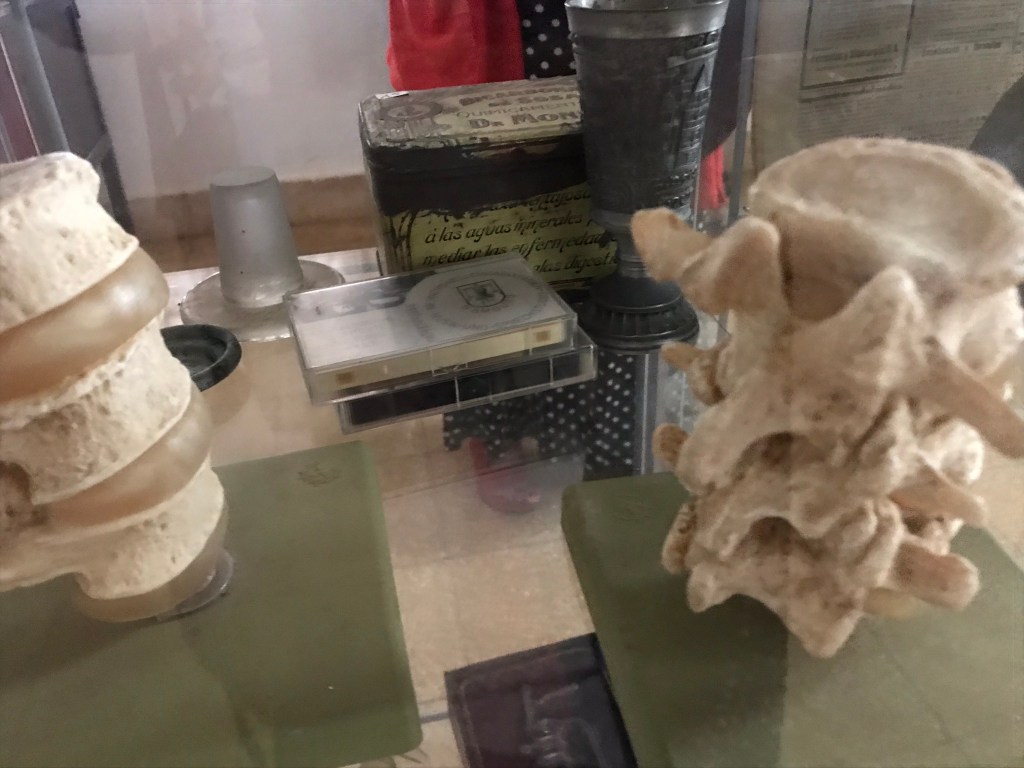
as our guide, who was here, says. In the glass stand in the center of the room there are German helmets

and caps, pieces of the human spine, flasks, pharmacy type.

Then the owner offers to go down to the underground floors. He asks not to take pictures. We find ourselves in a room with a stove. Our guide says that there was a crematorium. He knocks on the wall, assuring that there are stoves, as in German concentration camps. It is easy to believe in it, because it is very difficult here without his explanations. We go further down the corridor. The conductor shows the place where they shot people from a window that is invisible in a room with stoves and a large drain for blood and water. We go along a long corridor with branches. One of the corridors has a tunnel down. He goes somewhere deeper.
    The guide says that Winter Villa is a German base on a deserted island with access to the ocean. Secret genetic experiments were conducted here, weapons were tested.
    With relief, we leave the underground tunnels of the house on the street. I am not inclined to fully trust the words of the current owner or our guide. Some falsity is felt. He is interested in all sorts of fables to attract new visitors. But, without any doubt, in the basements and tunnels of the house is bad, there is the energy of death and something beyond. And around the house there is the power of wind, ocean and black hills. At the tip of Cape Jandiah are the largest winds and waves.
  We go around the house. There are bullet marks on the wall from the courtyard side. The windows of the lower floor are covered with bars. The owner takes out the grill and shows the tunnel. I looked closely, but did not see the end of the tunnel.
    We get down to the ocean.

From here the house seems small and toyish. Oncoming waves wash away the burden of past stories, but do not let us into the ocean. In these places they don’t swim, here the waves and the wind are stronger than people.

5.11.19г.

Black and white spots of Fuerteventura.

The Canary Islands group includes 7 large islands and several small ones. The Canary Islands are the remains of the continent of Atlantis, which went under water many thousands of years ago. So there were circumstances that I get to the island of Fuerteventura.

It is 100 km from the coast of Africa. We settled in the lovely town of Gran Tarajal a few meters from the ocean.

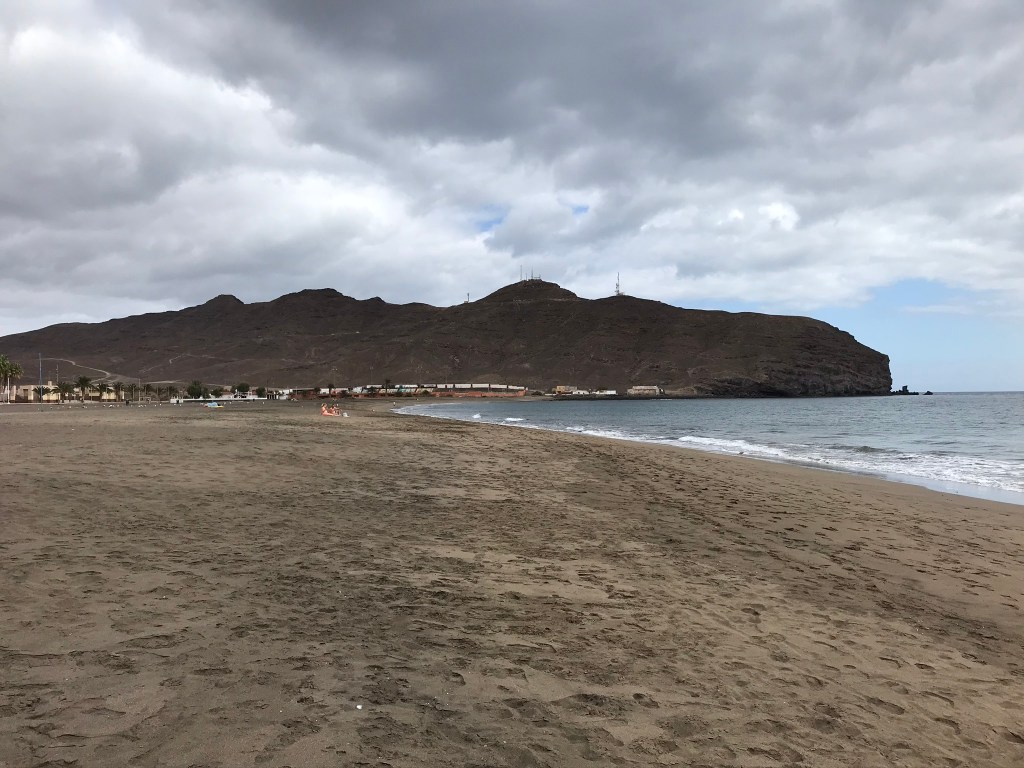
I am greeted by ridges of dark hills on which nothing grows.

The island has almost no natural greenery. The road goes between high dark mountains, covered in some places with milkweed and thorns. A large pile of local tumbleweeds is rolling right along the road. Wild goats are seen on the slopes of the mountains.

It is unclear what they eat and drink. Once a year, local farmers can take one wild goat into their herd. There are no large sources of water on the island. How could people live here? What did they eat and drink? The Canary Islands was called the “Hesperides Gardens”, a paradise.

When the Arabs and Spaniards were engaged in the development of the islands, they met here with the Guanche and Mahorer tribes. According to the descriptions of the Spaniards, the Guanches were tall people with white skin, blond or red hair. Despite the European appearance of the Guanches at the time of the arrival of the Spanish conquerors, they were a very backward tribe, firing fire by rubbing stones. They knew how to mummify the dead, knew how to talk with a whistle and considered themselves the only people who survived after the disaster on the planet.
Fuerteventura is distinguished from other Canary Islands by its black hills and black and white sands.

The island is 20 million years old. The name of the island consists of the words: Ventura – luck and happiness, Fuerte – reliable.

The plane lands on the runway near the ocean. Immediately upon arrival, it is unusual to see only black and the ocean around. Later, I find in this the uniqueness and charm of the island. Black color draws light on itself, absorbs it, which means there is a lot of energy. Another feature of the Canary Islands is the absence of poisonous snakes, mammals and insects. That’s for sure paradise!
     Fuerteventura – this is completely ridges of frozen volcanoes.

I bend over and pick up a stone from frozen lava. I walk along porous lava stones, along stone footprints filled with salt water from the Atlantic Ocean.

The pits resemble the tracks left by the feet of a giant giant walking along cooling lava. The island always blows wind.
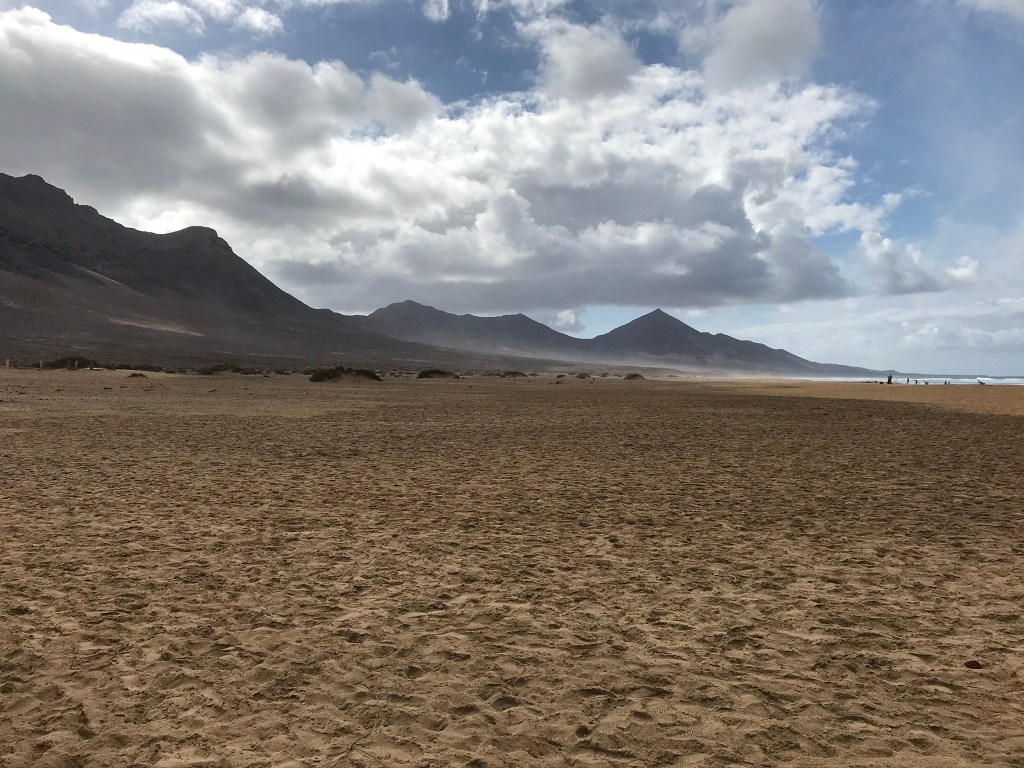
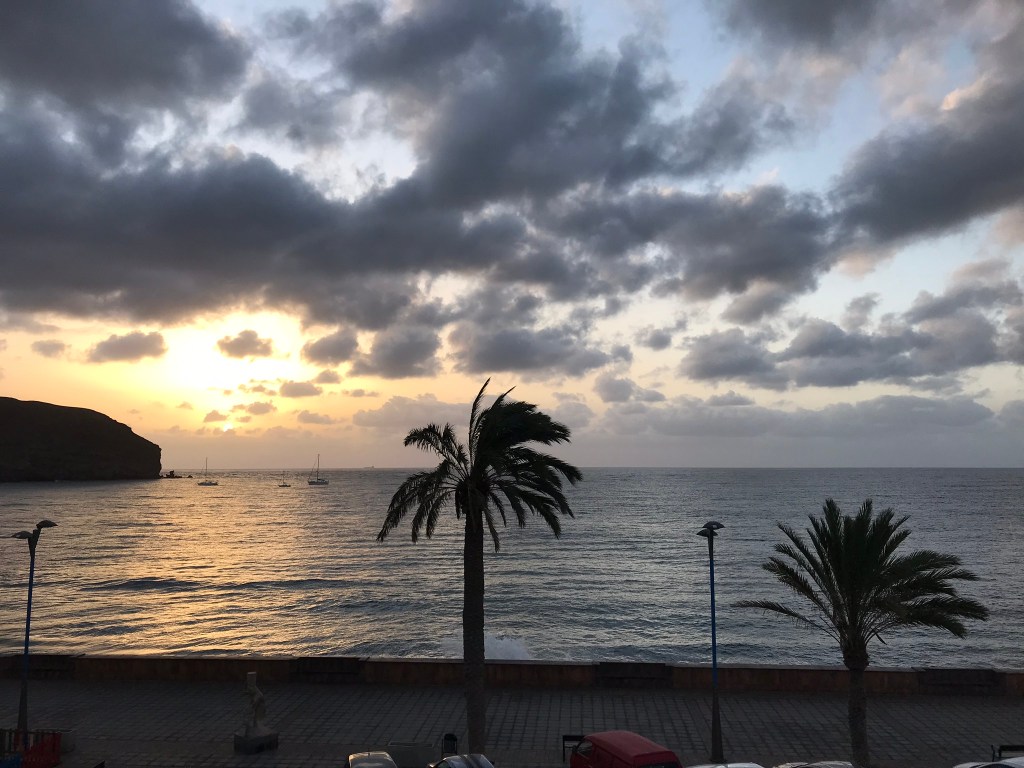
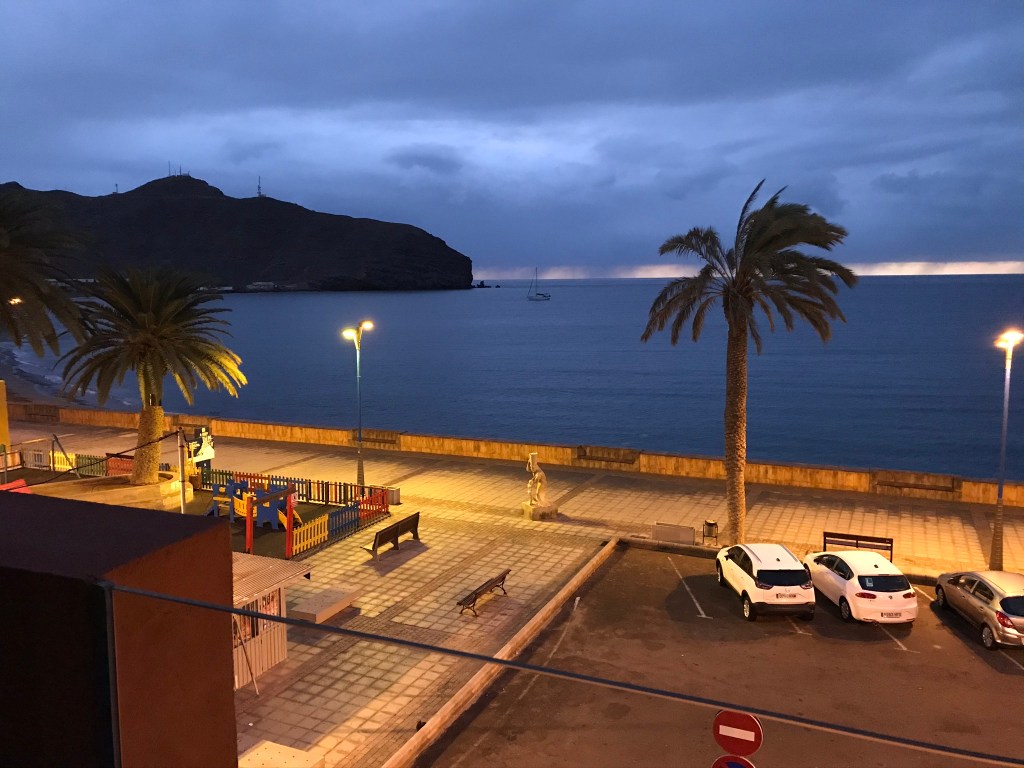
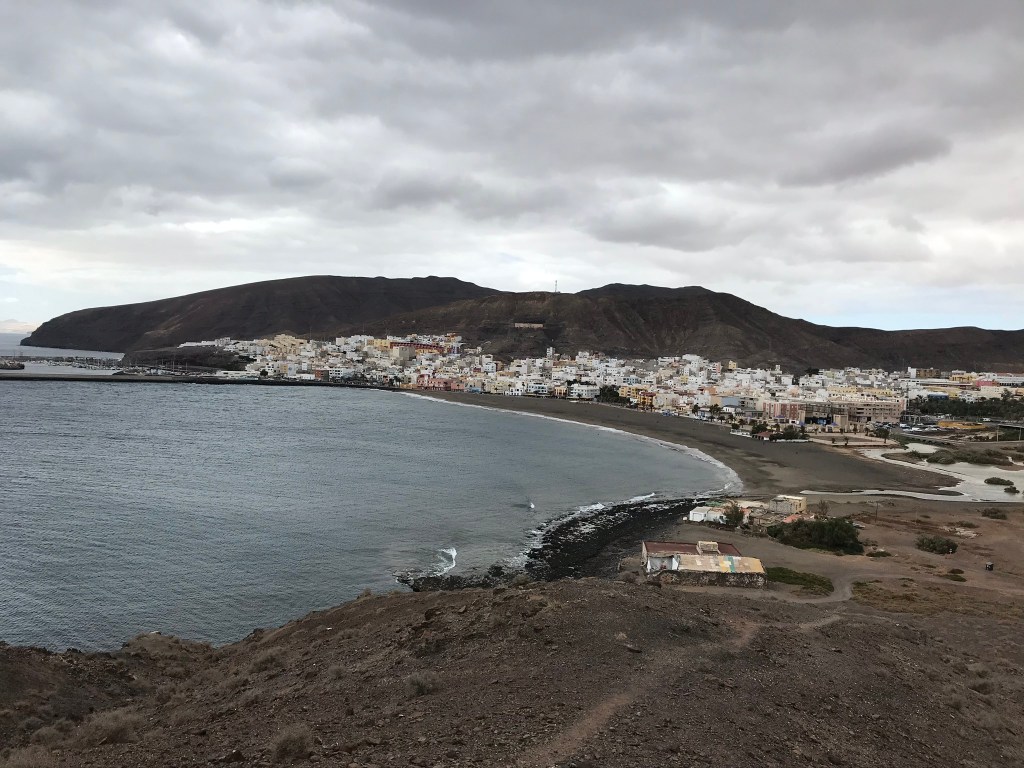
   We settled in Gran Tarajal, a small town with a black sand beach surrounded by black mountains on all sides.

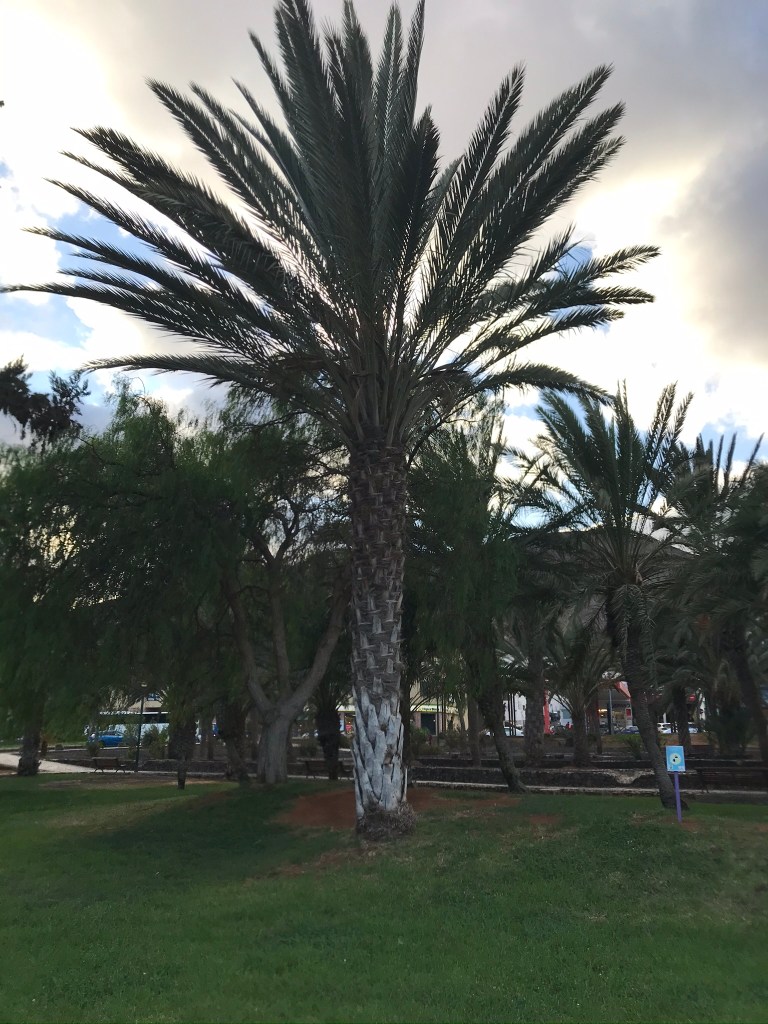
Palm trees grow from the vegetation

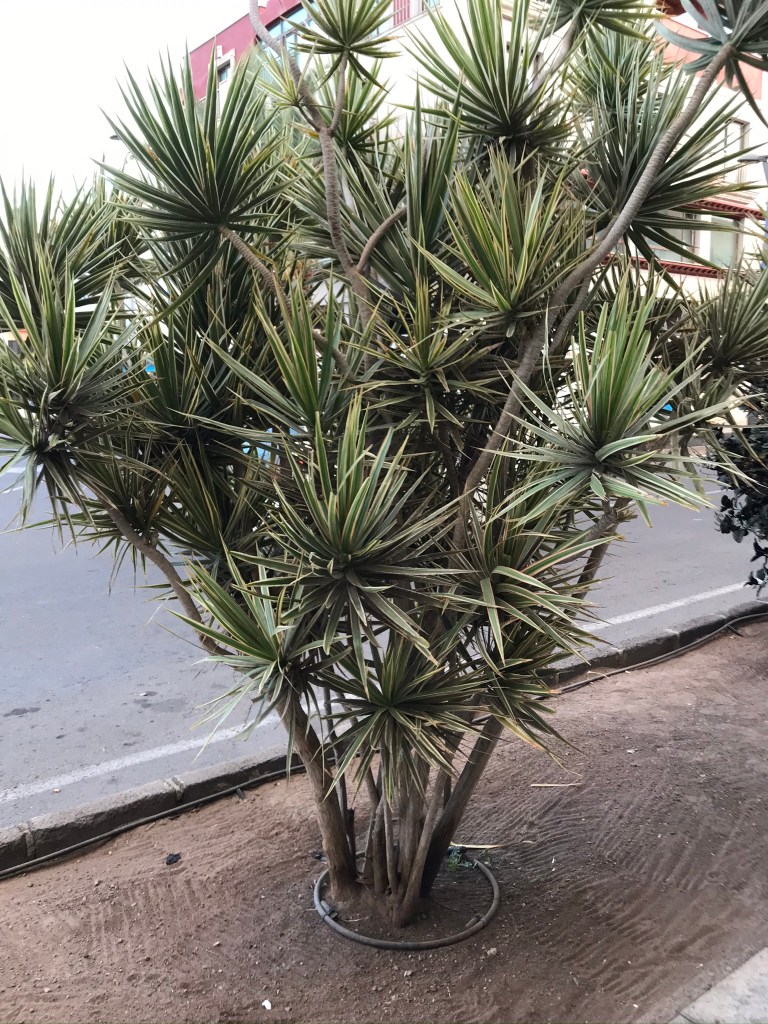
dracaena

flowering shrubs.

Tap water desalinated from the ocean. To drink, you need to buy water in bottles. The ocean temperature in winter and summer is almost the same 20-23 degrees. The town is quiet, without large hotels.

Only local residents live here and a dozen vacationers. The beach is large and clean, with almost no vacationers.

What is the difference between staying in Fuerteventura from other places? What is the strength of this island?
Firstly, there is still no complete dominance of civilization. The middle part of the island is practically not inhabited by people. The island is in its natural form – black volcanic hills, cleanliness and space, wind and the ocean.

I kept spinning the word “clean”. Secondly, there is planetary energy frozen in stone black hills. On the island, I felt like a protected mother planet. And one more thing is on the island – a connection with the distant past, with Atlantis.
7.11.19г.

Stone Lions and Sphinxes in Madrid.

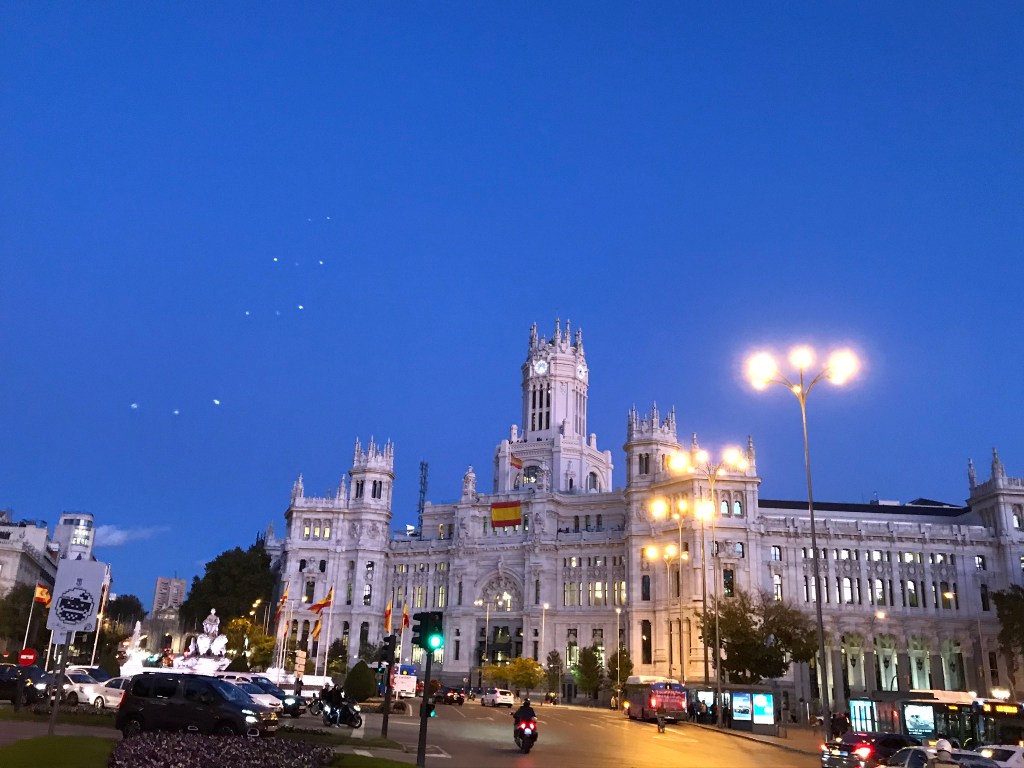
In Madrid, I see stone lions everywhere. In Cibeles Square, surrounded by a protective water wall of the fountain, the goddess Cybele rides in a chariot drawn by mighty stone lions.

This is to her stone feet applied Madrid football players, observing the ritual for victory. I have long wanted to see this work of sculptors. Cybele rides on the lions, surrounded by streams of flowing water of the fountain. You can’t approach her. Goddess, protected by water and moved to the past.

    Madrid stunned me with historical grandeur,

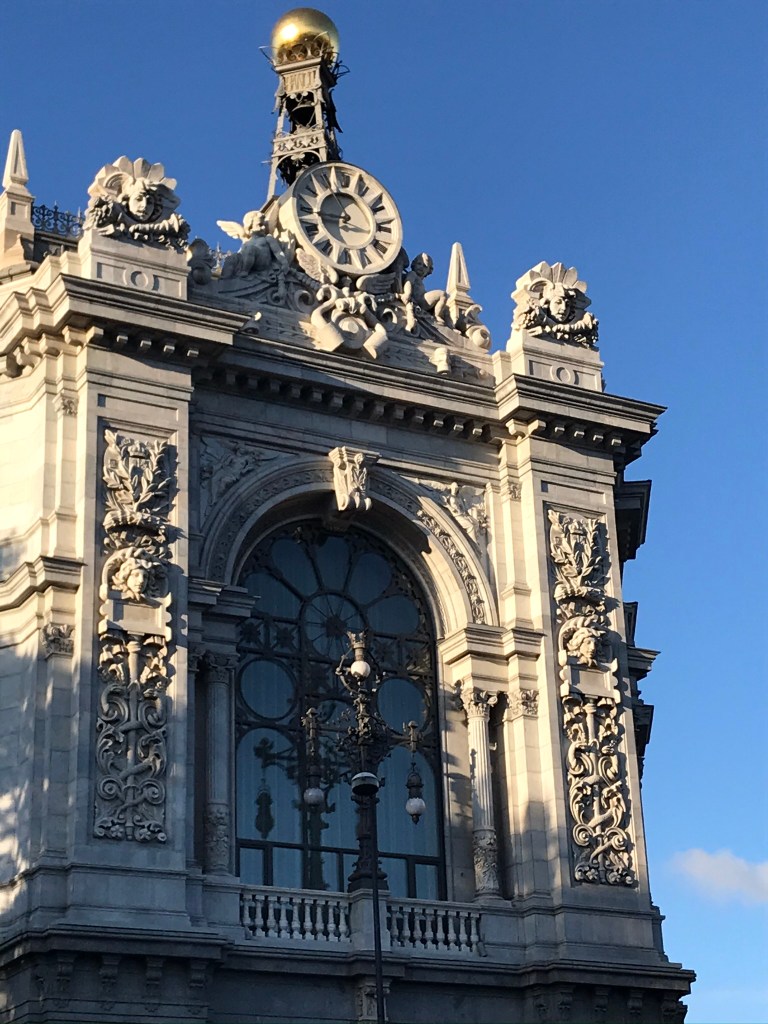
imperial splendor of buildings,

the breadth of the streets, its energy. The city approached me in temperament, speed of life. Here I felt safe. I liked the faces and friendliness of the townspeople. I was in Madrid for only 3 days, including one full day.
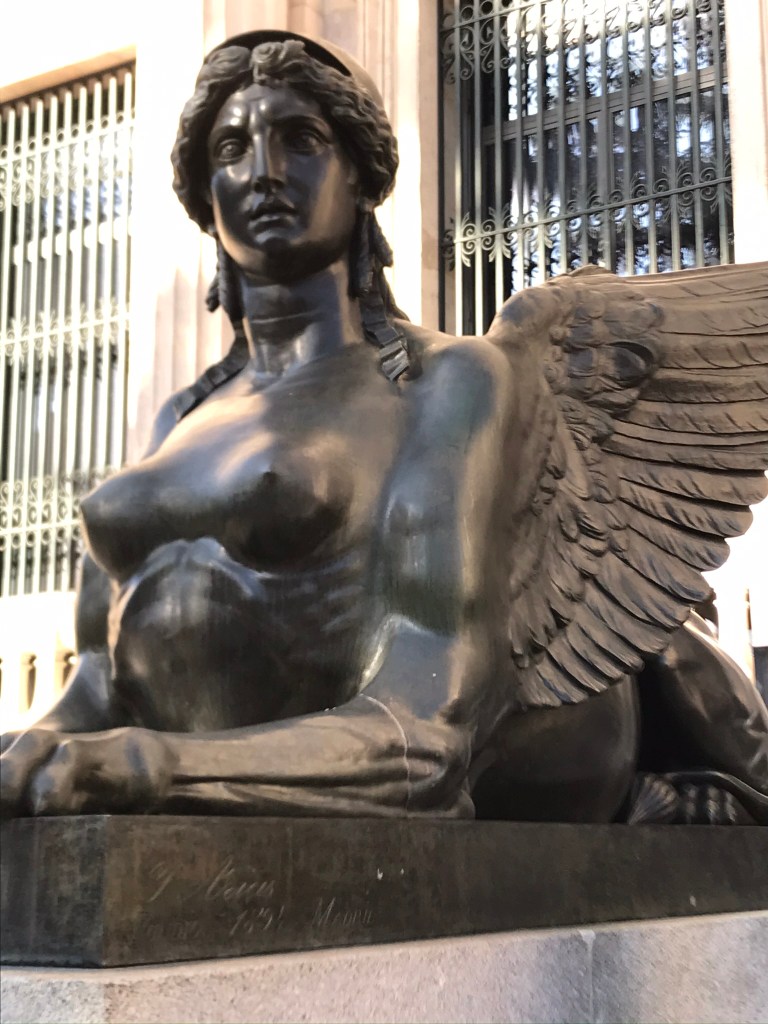
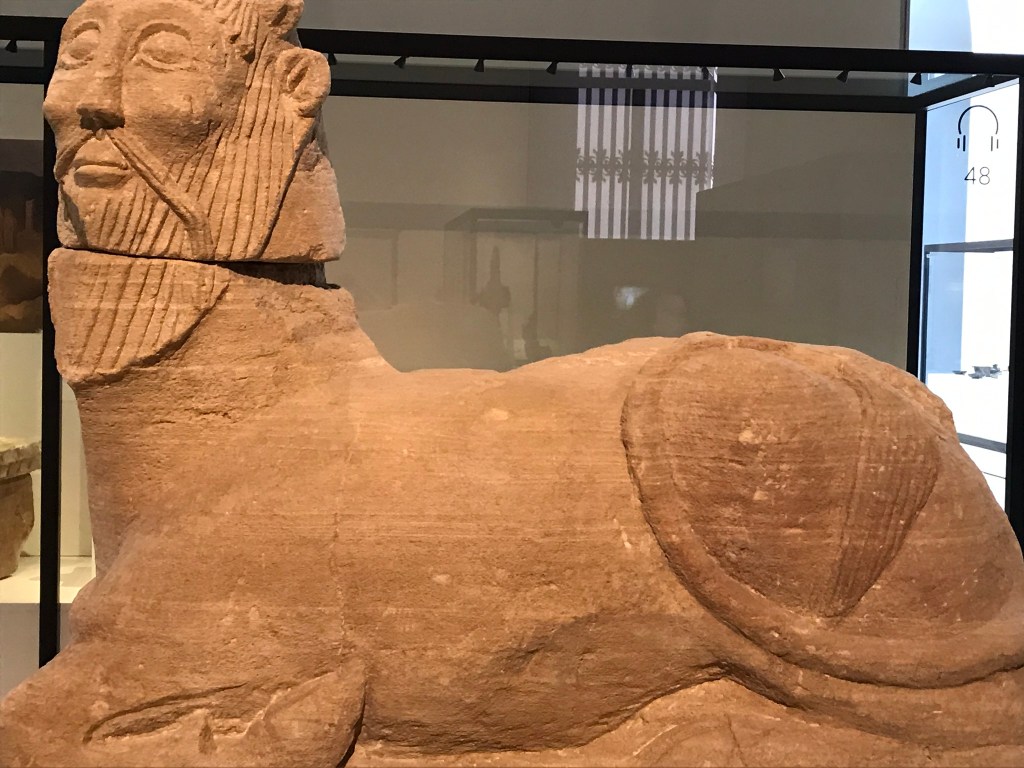
Past the Cibeles Square I walk further along a wide street to the National Archaeological Museum. Busty stone sphinxes flaunt in front of the museum.

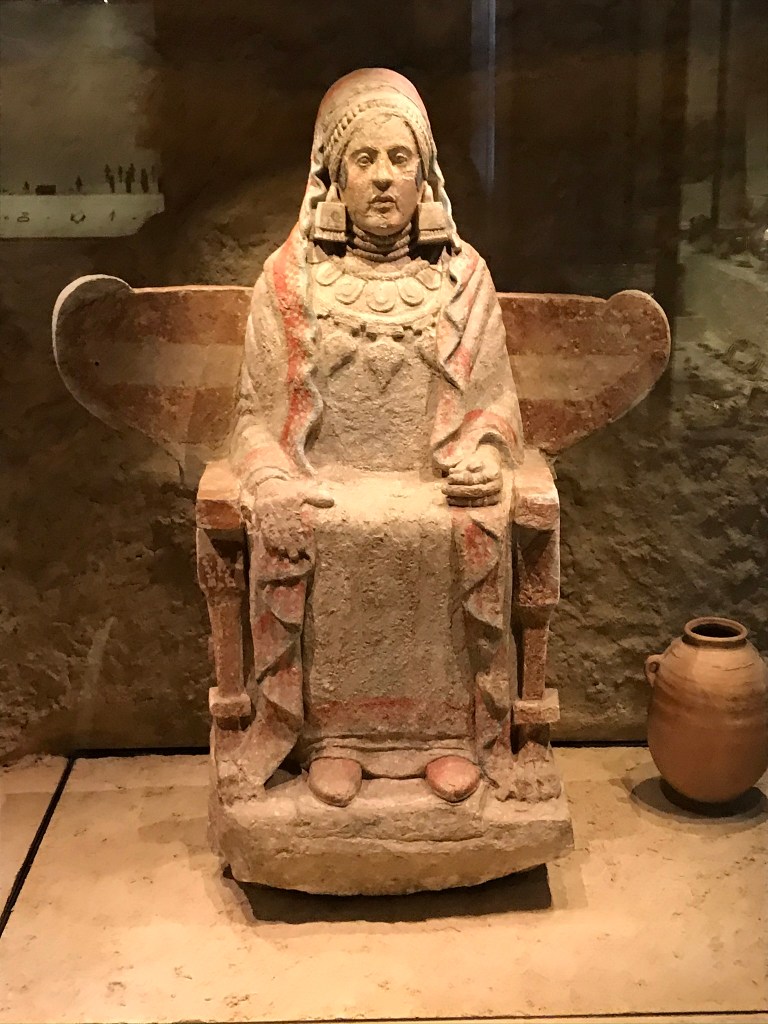
Sphinxes of the female gender. I knew in advance that I want to see a lady from Basa and a lady from Elche in the museum. A lady from Basa was found in the city of Basa.

It belongs to the Iberian culture of the 4th century. BC.
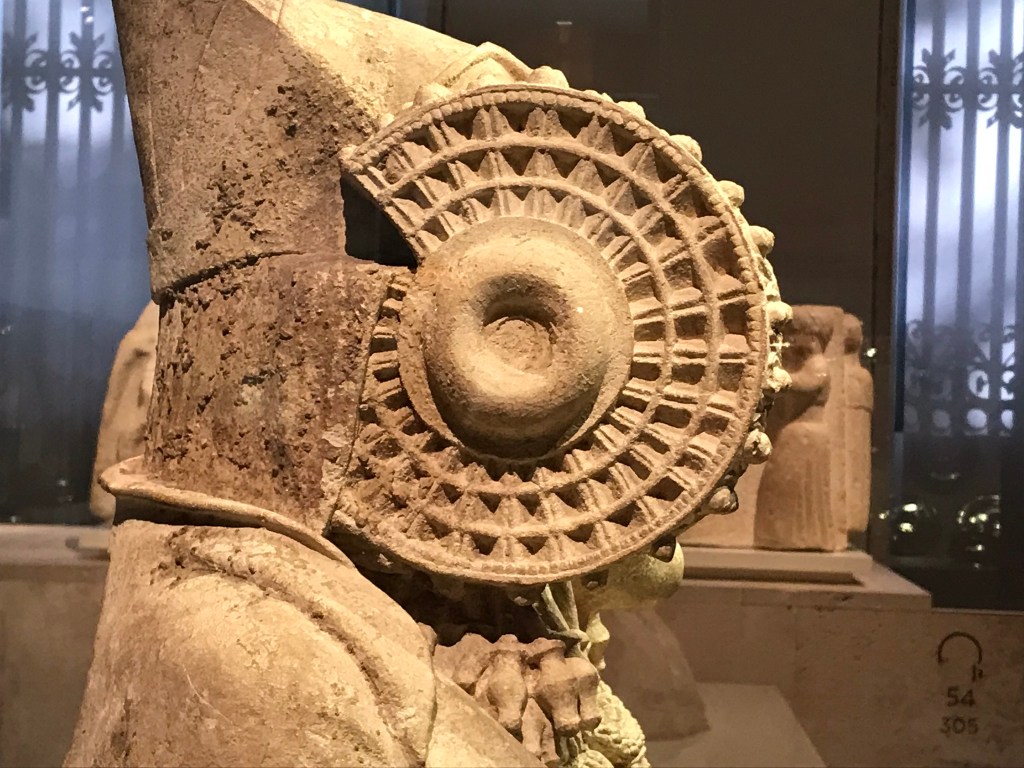
A lady from Elche also belongs to the Iberian period of history and was found near the city of Elche.

It is impossible to take your eyes off the lady from Elche, such a beautiful and attractive stone beauty.

There were several interesting ladies in the museum. Ladies and the museum pleased. Ladies have their ancient beauty, and the museum has an abundance of historical exhibits.

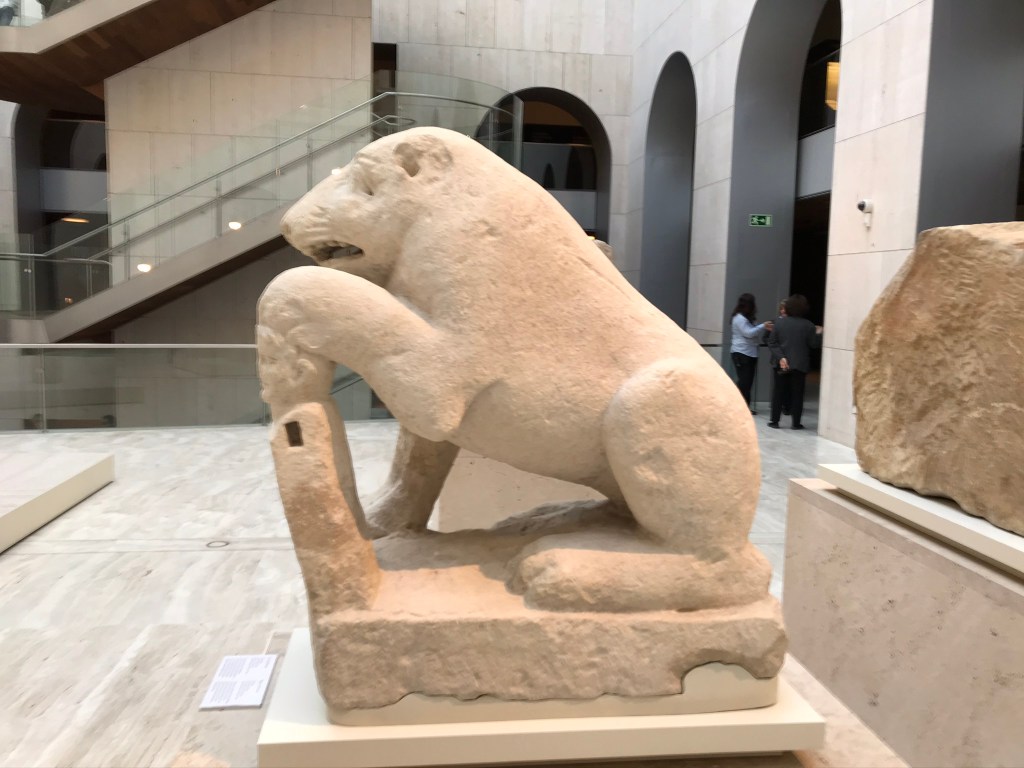
For an hour and a half I managed to see only the 2nd floor. In the museum everywhere there are large and small, sitting and standing stone lions.

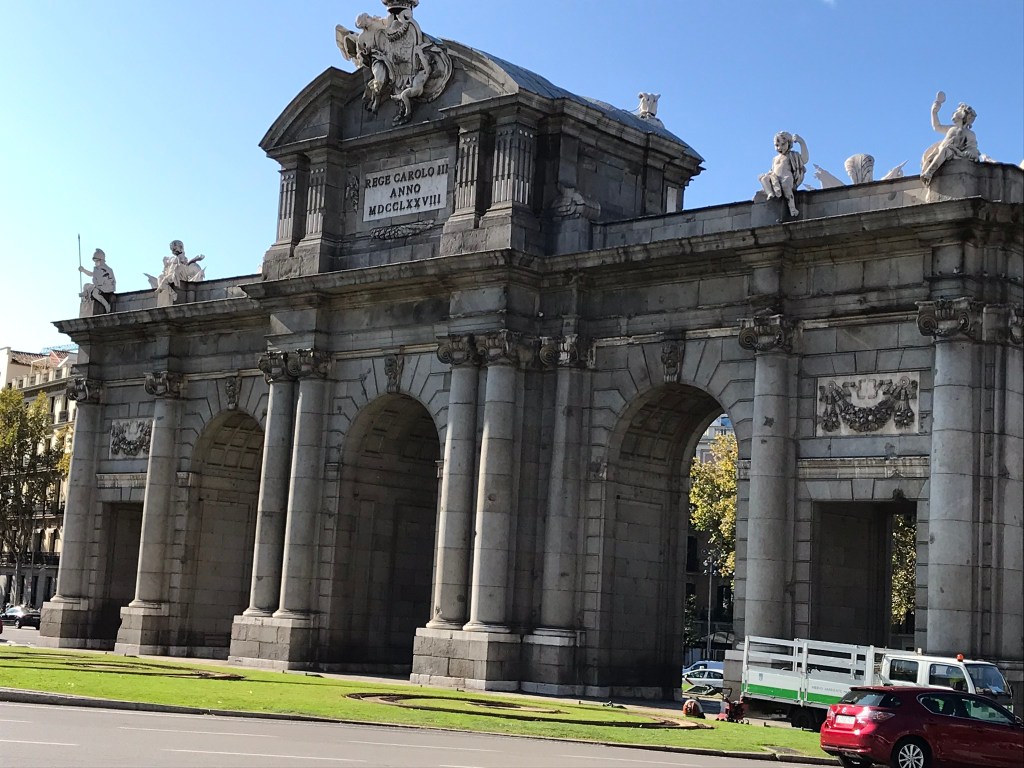
From the museum I’m heading to the gate of Alcalá.

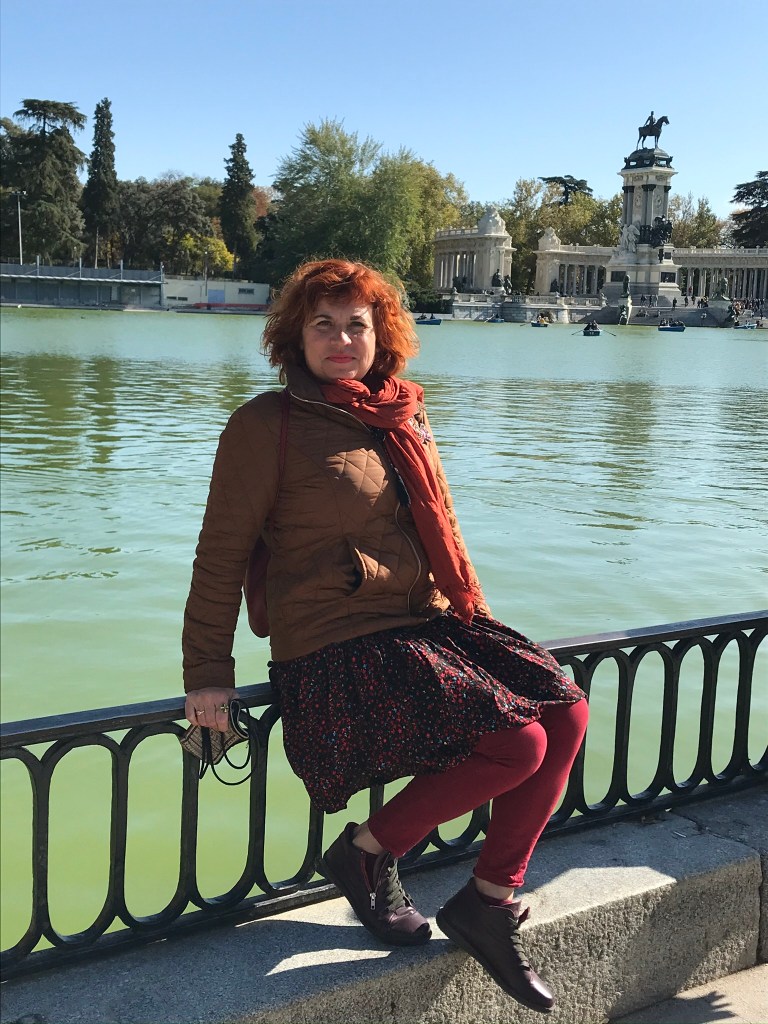
The gate is one of the five ancient gates to Madrid. Outside the gate begins Retiro Park with a beautiful pond,

people boating and a big colonnade,

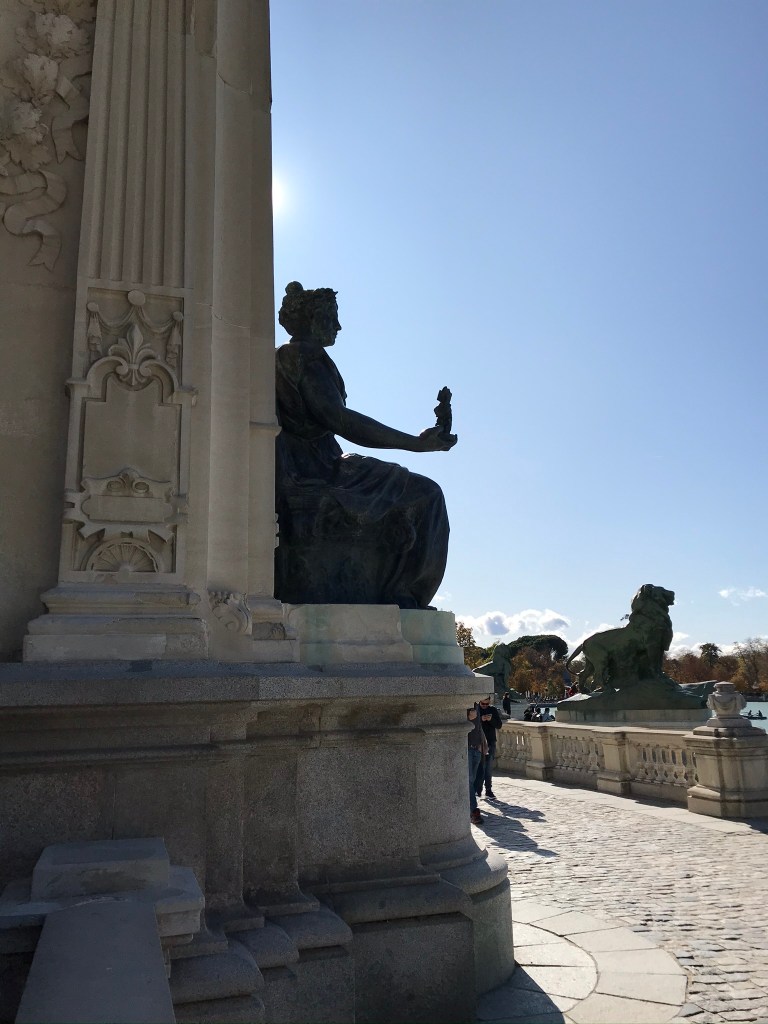
generously decorated with figures of gods and goddesses,

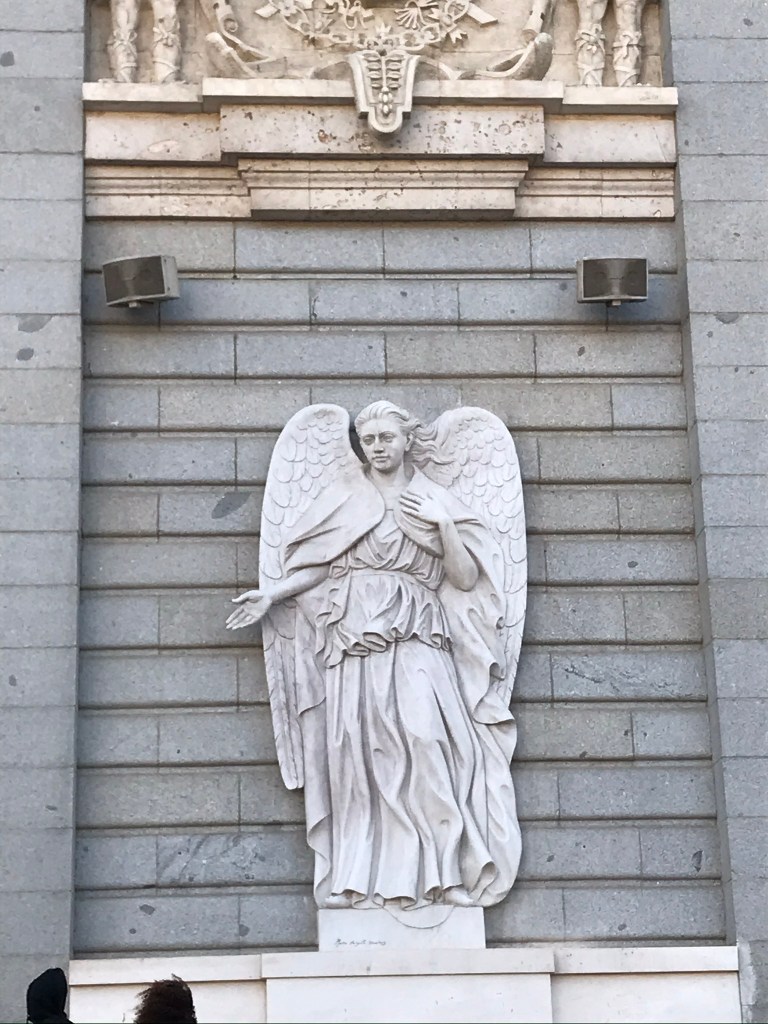
heroes and angels and, of course, lions.

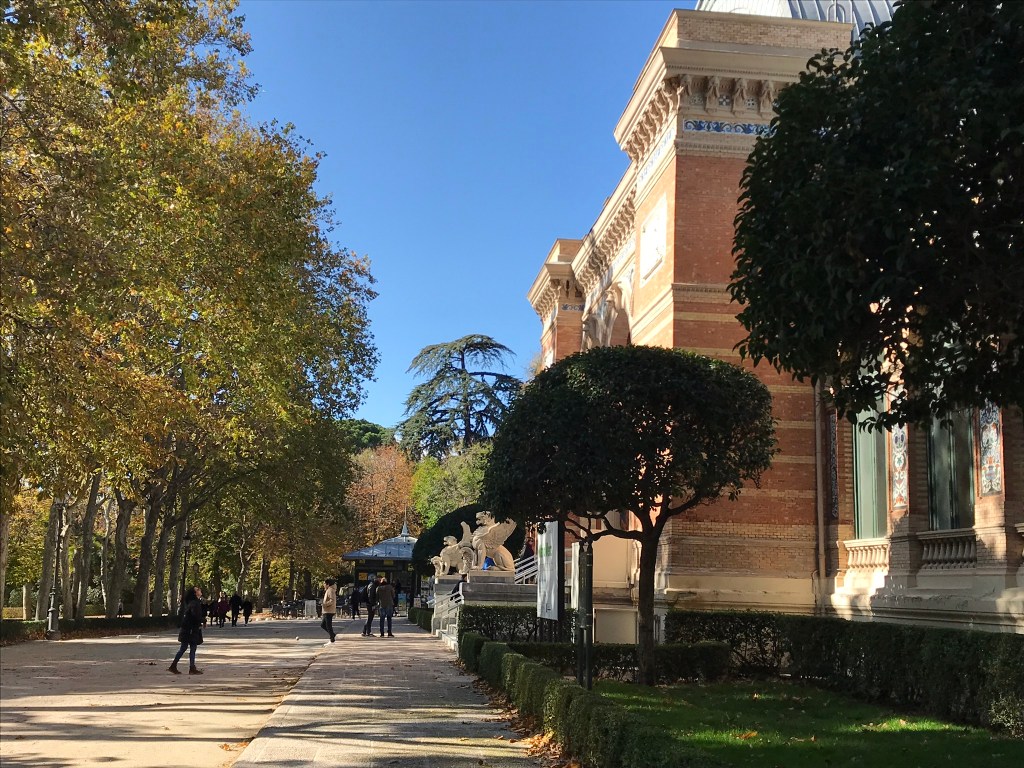
Having enjoyed the splendor of the Spanish park, I go into the house of Velazquez.

Entrance to the museum is guarded by stone mythical creatures.

It turned out to be not a museum, but an exhibition hall with unusual compositions.

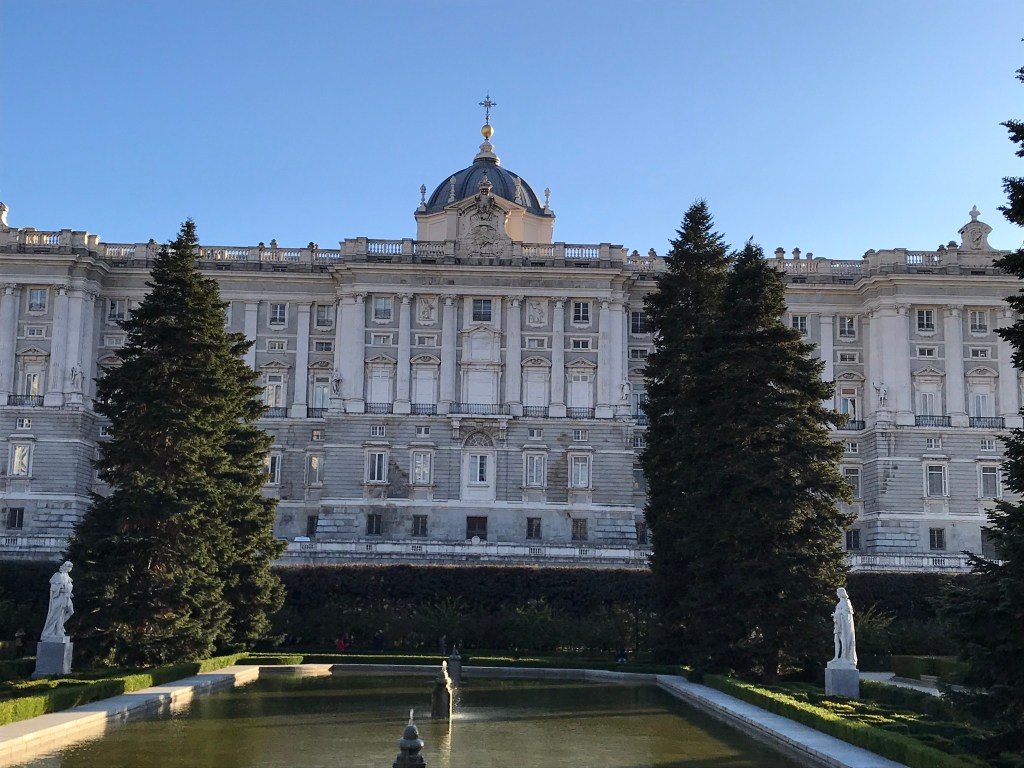
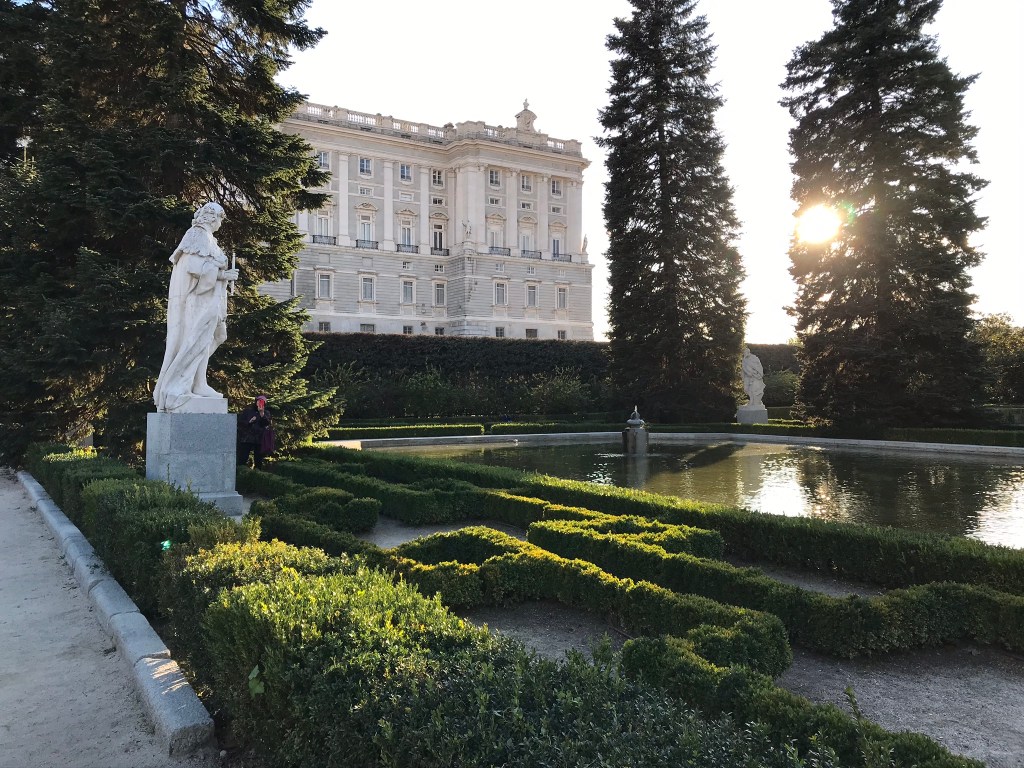
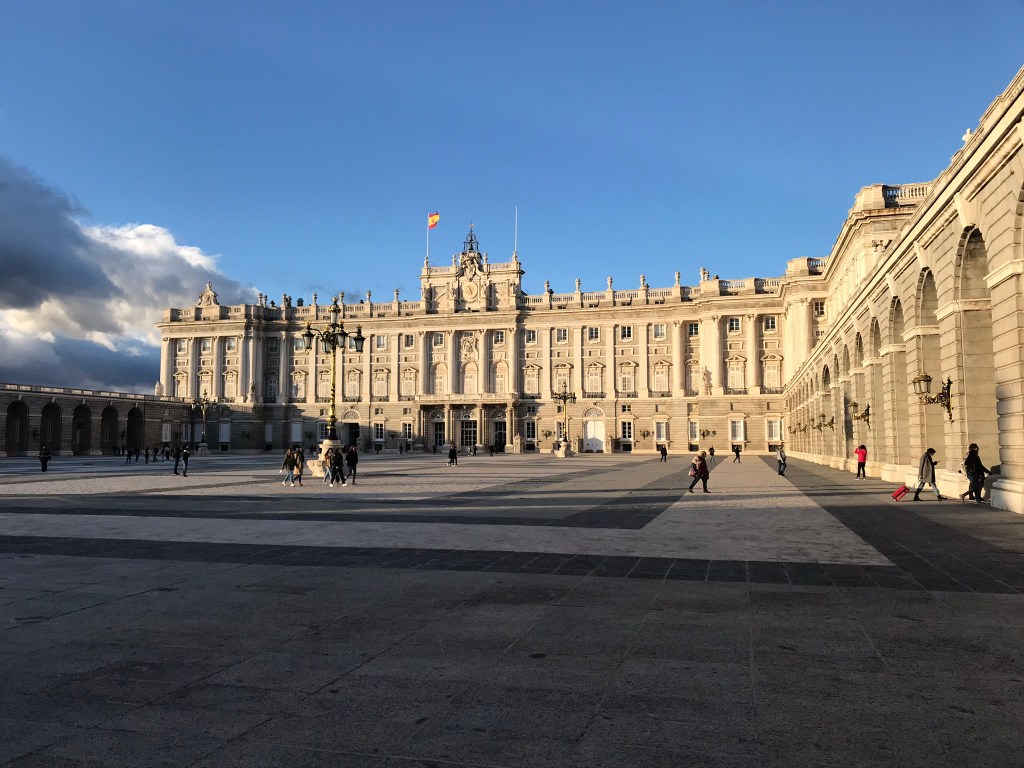
I return to the Puerta del Sol – the area of the Sun. My hotel is just minutes from Madrid’s sunniest square. Further, my path lies in the square of Spain. The square is framed by world-famous – the Tower of Madrid, the House of Gaillardo and the House of Spain. Spain Square itself was under repair. Walking around the square, I go to the Royal Palace and the Sabatini Gardens.

I find myself in a park with green labyrinths,

fountains and marble statues.

I didn’t have time for the palace, it was already closed.

But a lot of people came into the open doors of the temple,

located opposite the Royal Palace. There was a concert of a symphony orchestra. Mozart’s music and classical arias sounded in a high temple with excellent acoustics.

In the evening, fountains and palaces in Madrid, glowing with colorful lights, reinforced the impression of a holiday and celebration in the city.

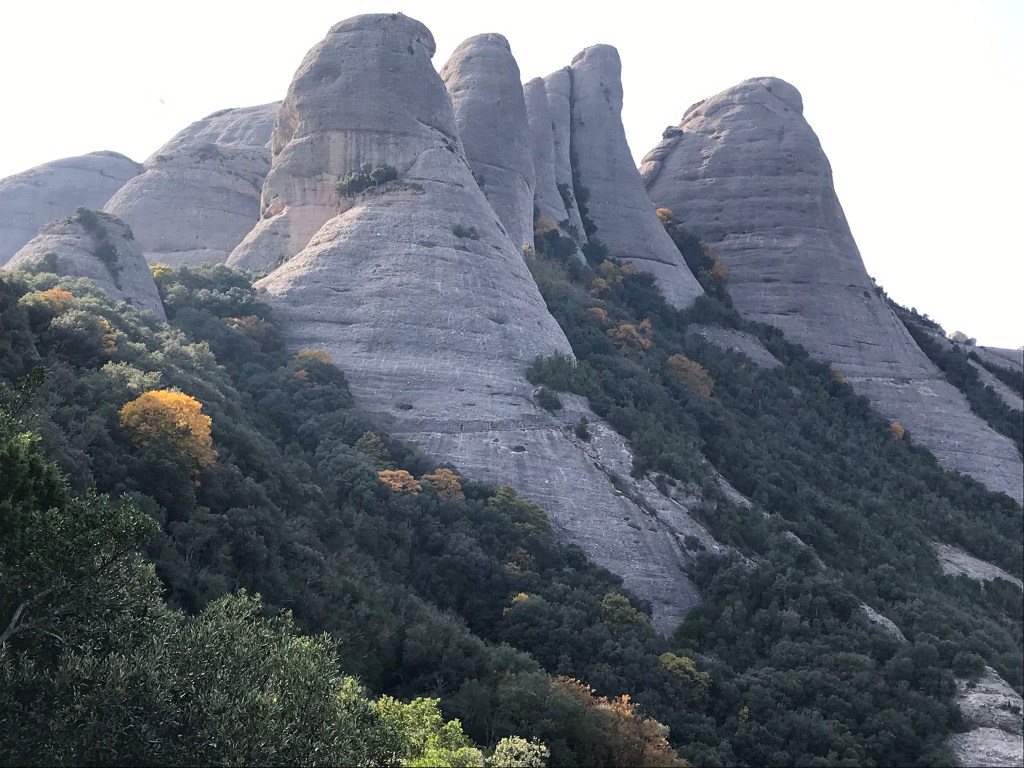
Montserrat is the heart of Catalonia.

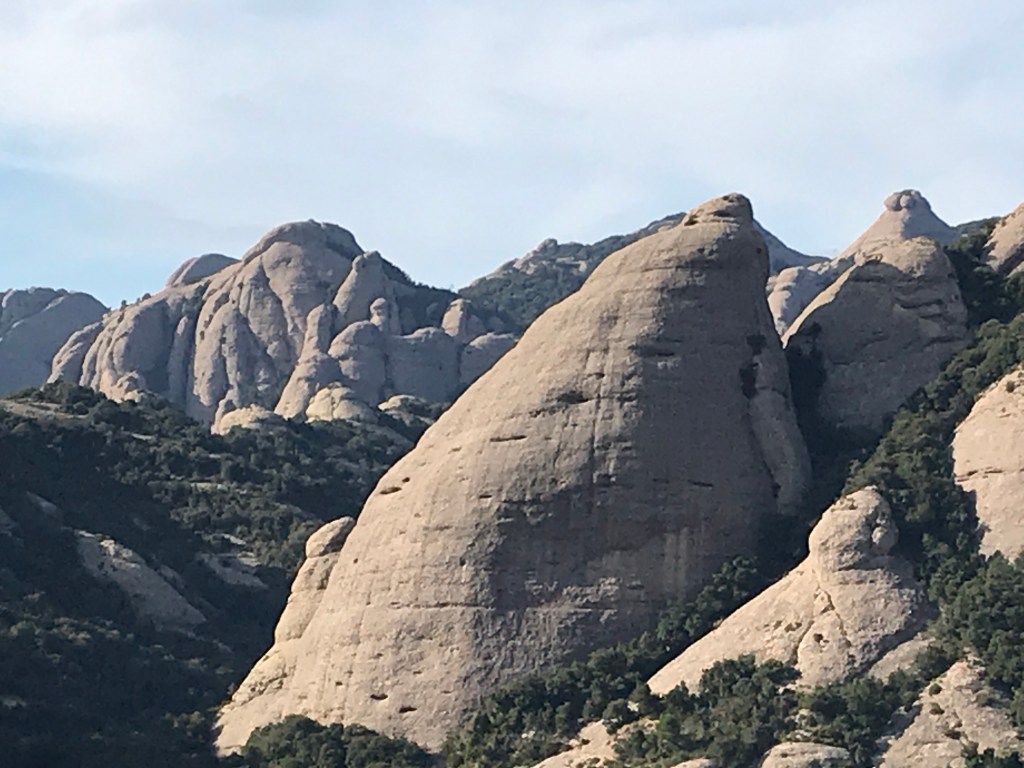
Angels sawed the local mountains with a gold saw.

Unusual mountains turned out in the form of

Figures made of stone.


From a local legend

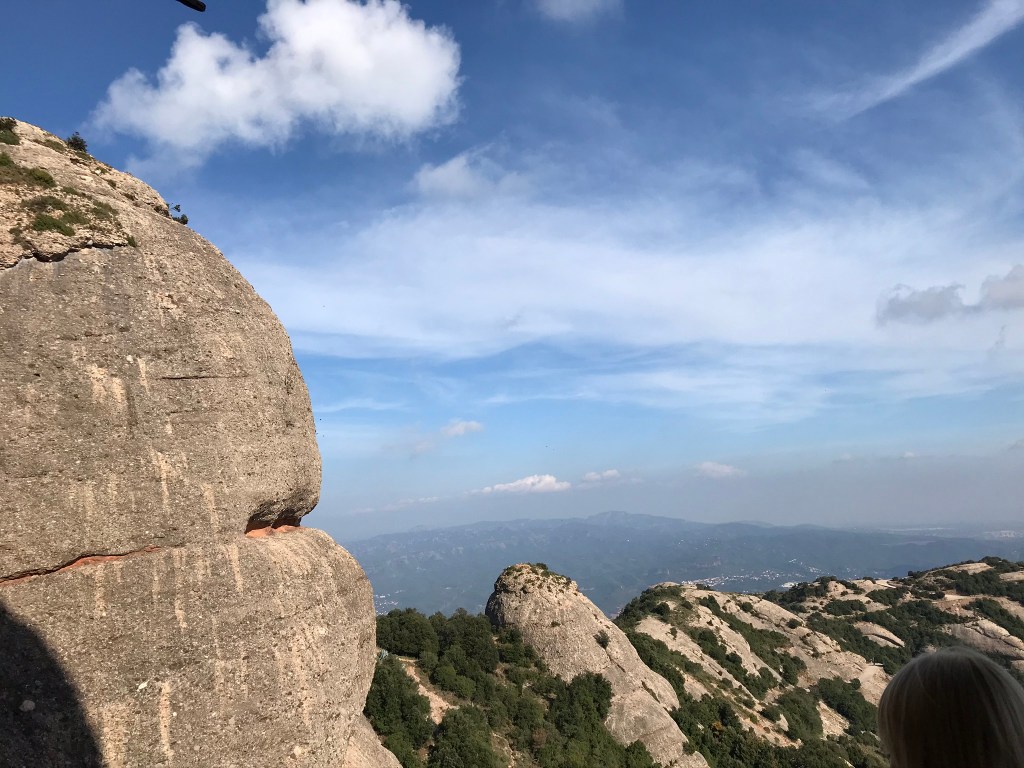
      I see vivid images of the processes of angelic creativity, which resulted in a fabulous small mountain range 50 kilometers from Barcelona. There was a seabed here in the distant past, and then, as a result of geological processes on the earth and with the help of angels, mountains grow, as the legend says.

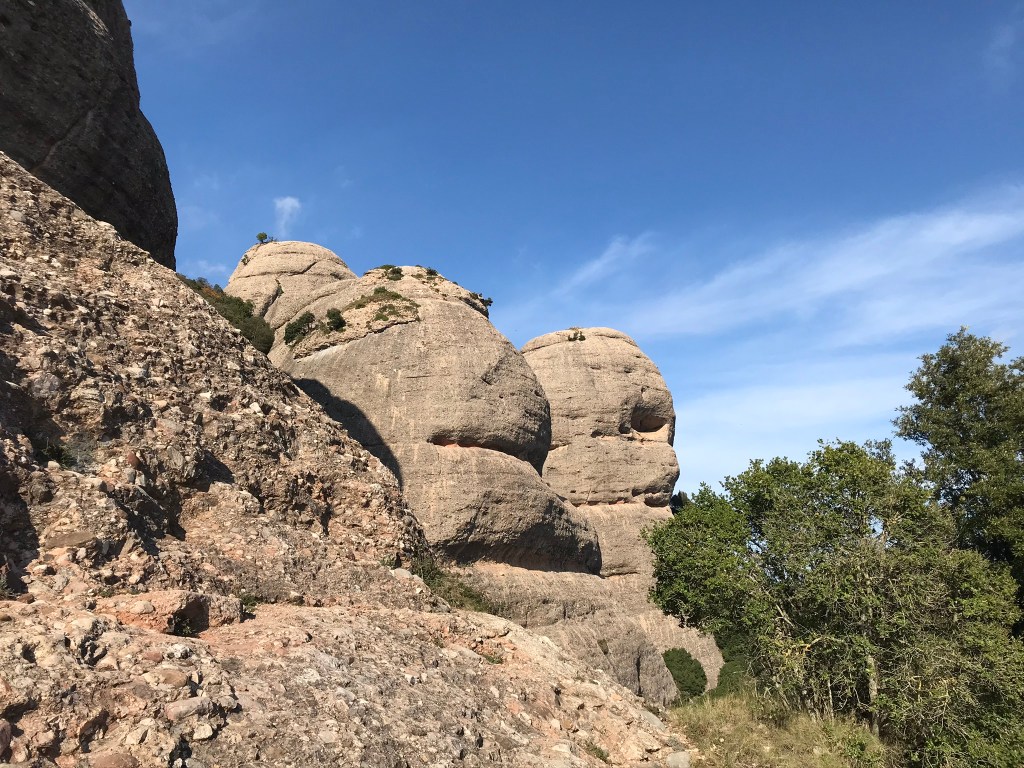
Each mountain is like a human or an animal.

From far away you can see a mountain like a dragon

Well, here is a mountain spilled alien.

The highest mountain – peak Sanzheroni 1250m.
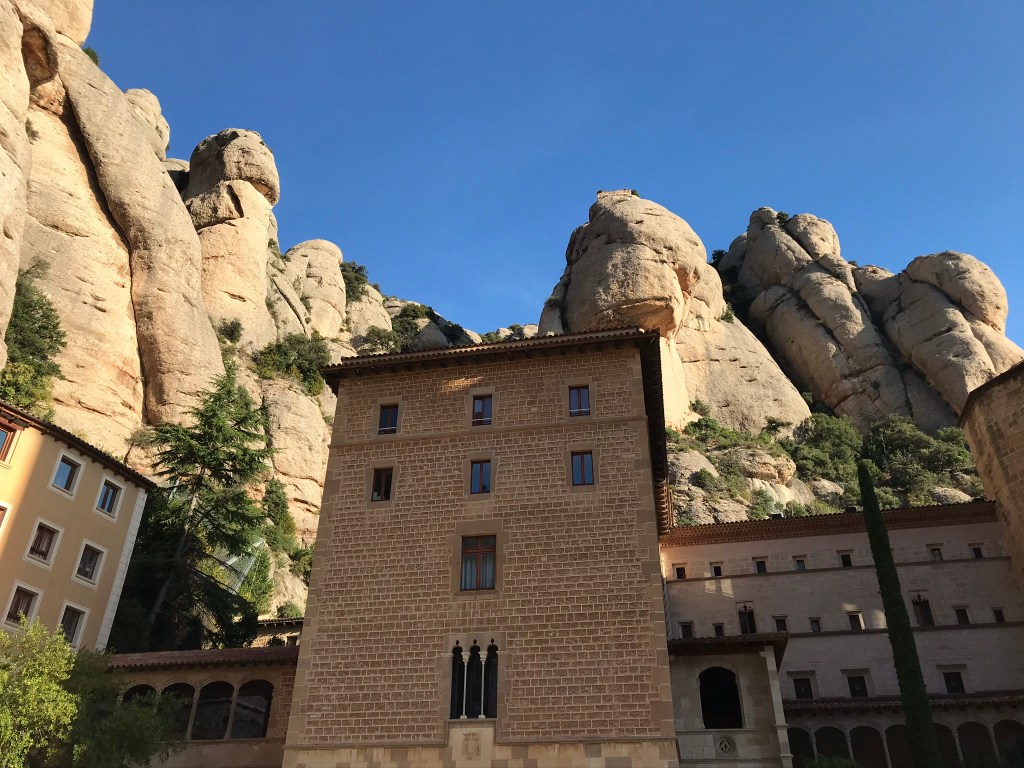
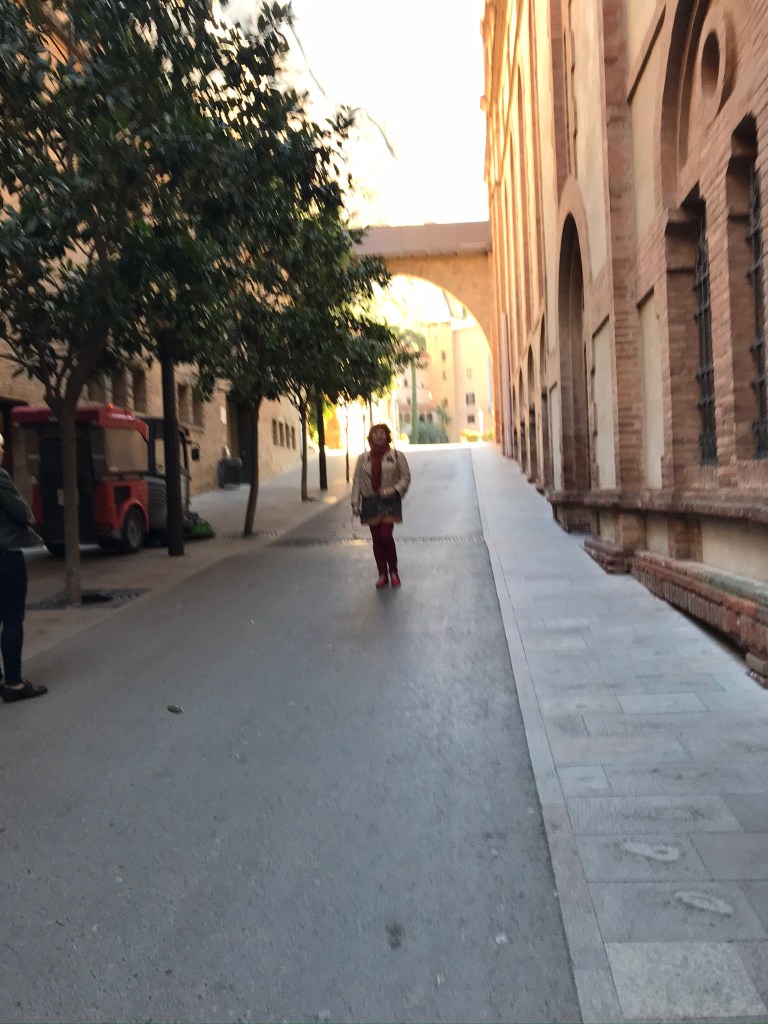
       Millions of pilgrims come to Montserrat endlessly. We arrived in Montserrat from Barcelona.

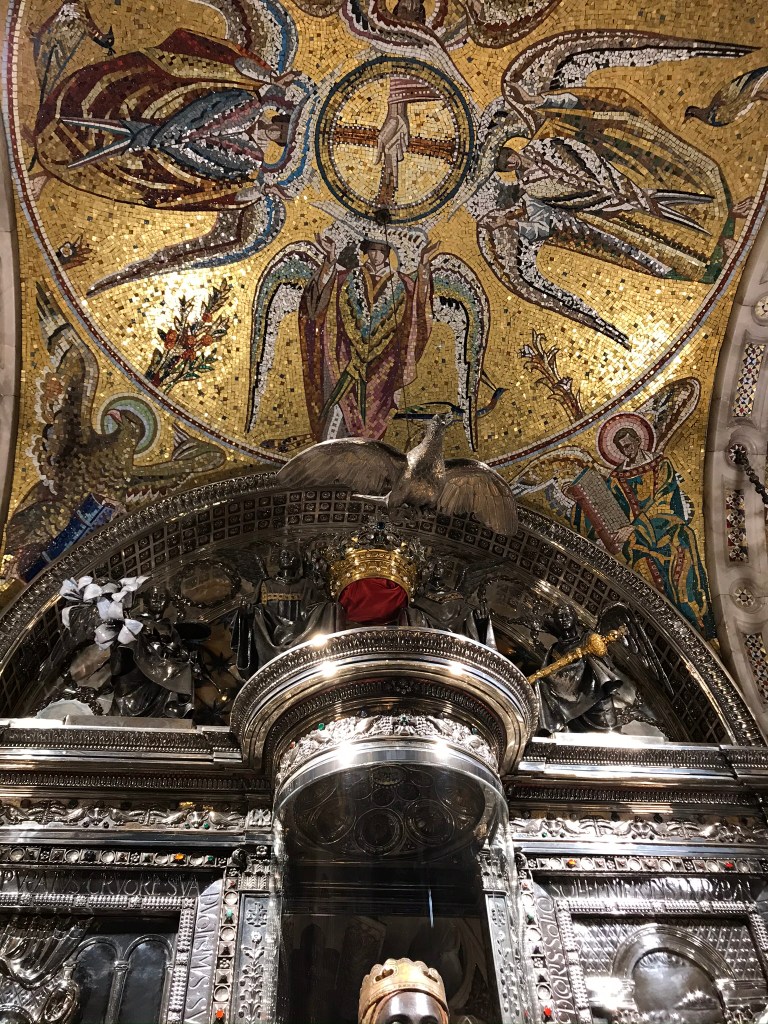
The main goal is the Black Madonna. With its help, people recover, fulfill their desires. The Black Madonna has been here since 880, when she was discovered in one of the caves. During the Napoleonic war, the monks hid her, so good that they still have not been found. That shrine that we see now is a copy, according to legend, created by St. Luke.

In the early morning, we enter the Madonna. There are practically no visitors, and you can be alone and in silence with the Black Virgin. A small black figure about 90 cm high with a baby in her arms and a ball in her right hand.

The ball, apparently, symbolizes the planet. You can touch, kiss the ball, it is open. Communication with the Madonna goes through the ball. The shrine is mounted on a silver throne, around the columns are made of solid stone, similar to onyx. Near the Holy Madonna, there is a special field, which, according to my personal feelings, first cleans, removes all unnecessary, and then adjusts and pulls up.

Faith and Madonna create miracles. In the Basilica of the Holy Virgin there is an impressive room with crutches and other things left that give an idea of the healing power of Montserrat.

The natural feature of this place promotes healing and attunement to higher powers. As soon as I got out of the car and went along the road to Montserrat, air bubbles appeared in my heart. I was seized with joy, lightness, admiration for the beauty of the mountains, early morning, clear air.

It’s as if I fell into the world of divine love.

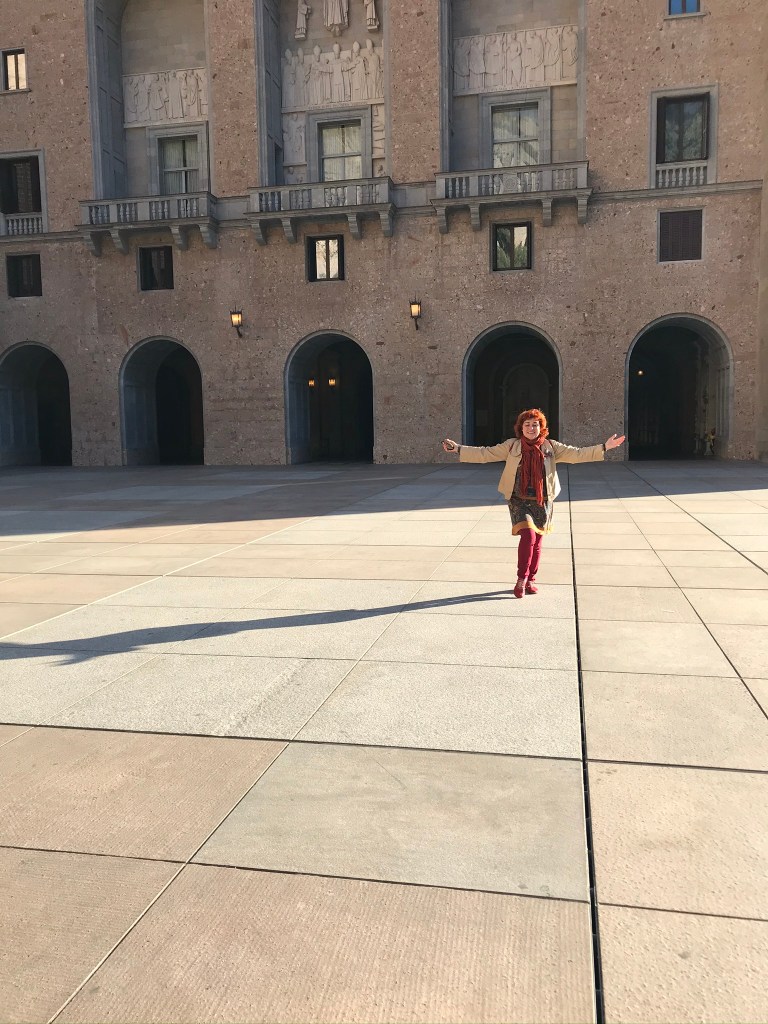
On the site before entering the temple, these feelings intensified.

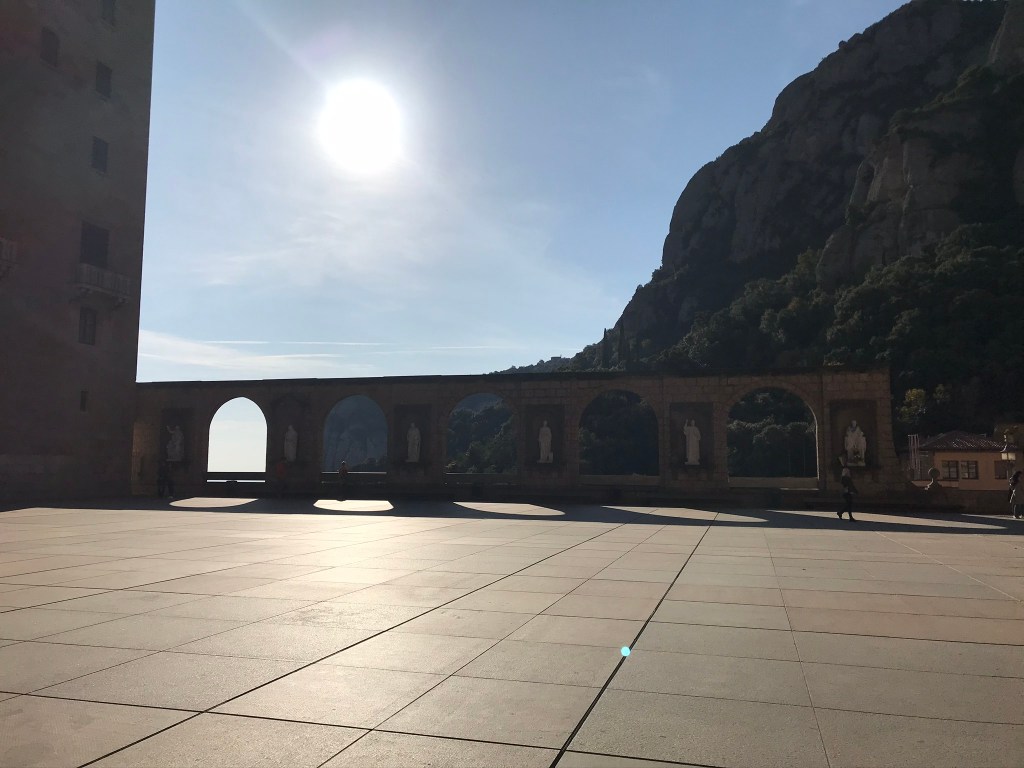
On one side of a large area is an arched wall through the windows, which are visible mountains and sky.

On the other hand are the rugged mountains of Montserrat. This place is like paradise, a place for angels, a higher world, I thought.
Later in the temple everything was different – the kingdom of the Black Virgin of Montserrat. The chorus of boys with amazing ringing high and harmonious voices again reminded of the angels and the upper world.

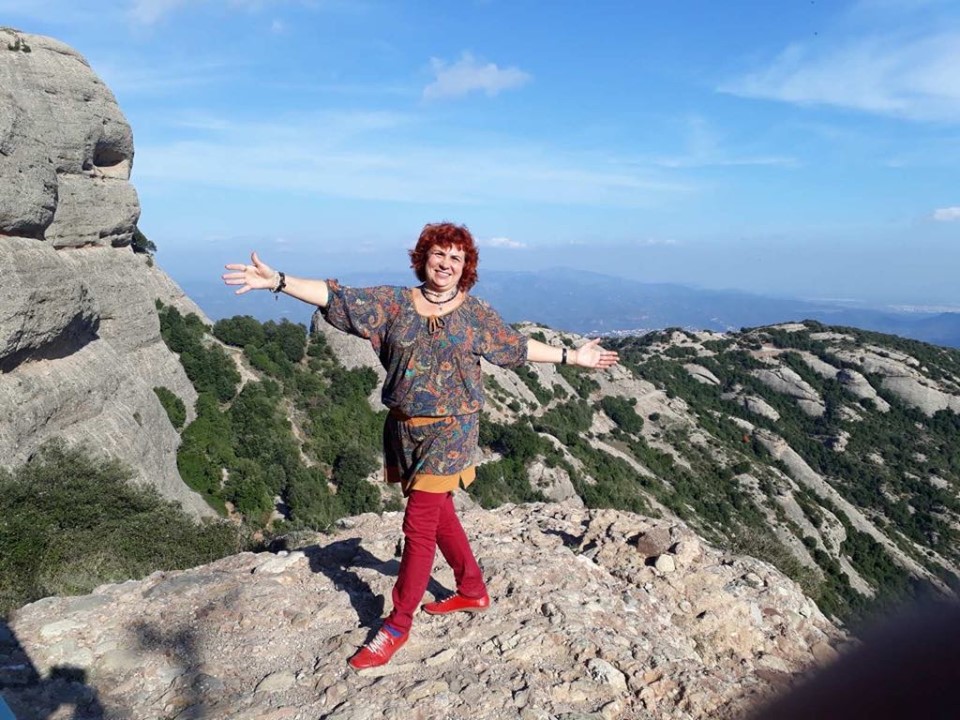
In Montserrat, you can climb to the height that you reach. From above, all problems look and are solved differently. After visiting the temple, we go to the peaks in the literal sense. First on a lift, and then on foot walked through the mountains,

guessing what or whom they look like in the unique figures of angelic creation.
   10/30/19

Tarragona is the capital of the Roman province of Tarracon Spain.

Nice city on the Mediterranean coast. Was there a drop of the greatness of the Roman Empire? We leave for Tarragona on the day of all saints on November 1.

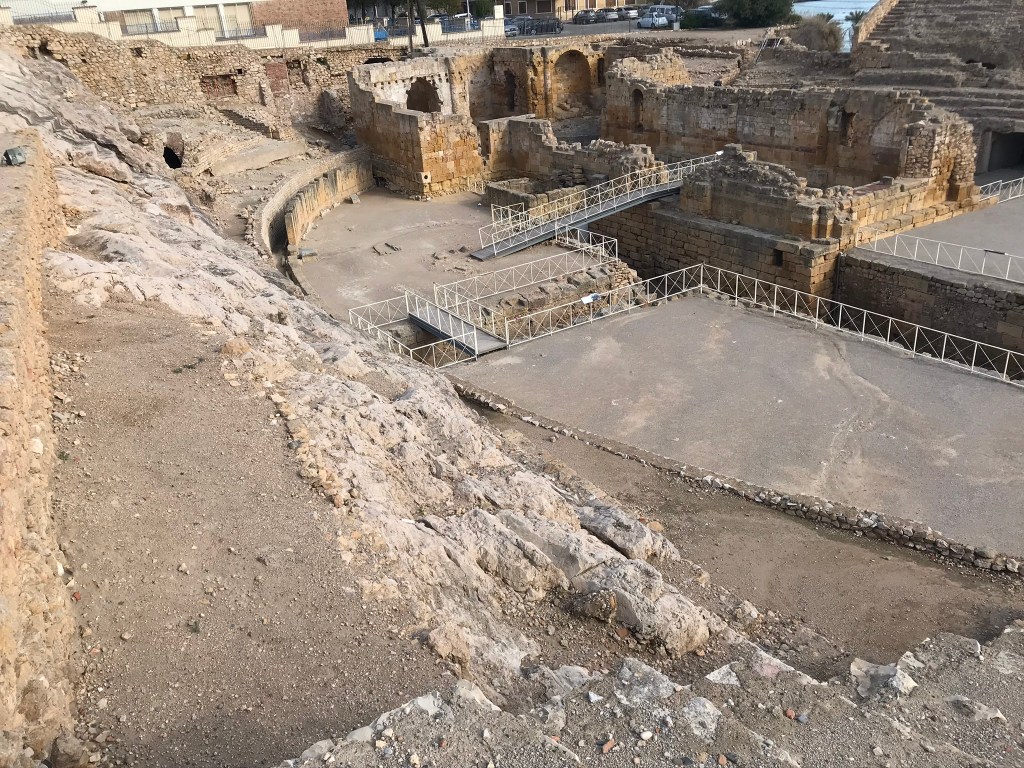
In the old part of the city on the seashore is a Roman amphitheater.

One side of it is built of rock.

There were gladiatorial battles in ancient Rome.

Through the arch in the amphitheater the sea turns blue.

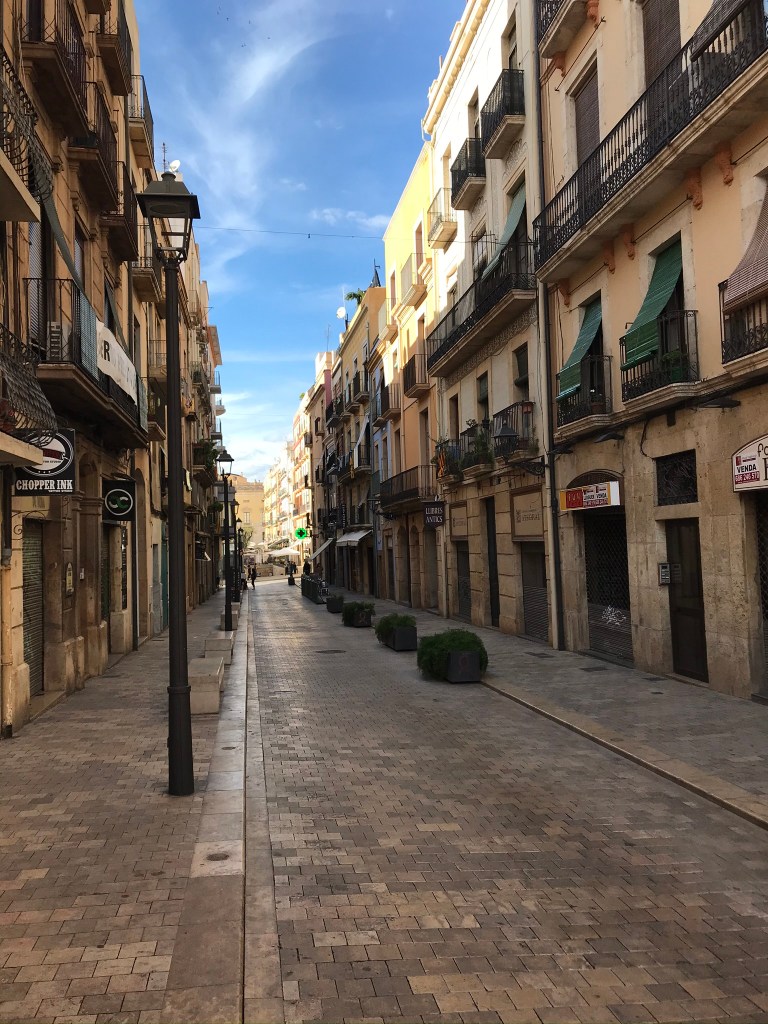
Past the Tower of Praetor and the circus, where the chariot races took place, we go on to explore the island of ancient Roman civilization in modern Tarragona. In the old part of the city, houses were built on stone foundations from those distant times.

On the walls of houses are large posters with photos of slides from people, popular local fun.

We walk along the narrow streets of Tarragona.

We seem to find ourselves in a time when the Roman Empire lived and flourished here.

Already during the Second Punic War, the Roman proconsul Scipio seized the Iberian city of Kesse and built defenses – this is how Tarracon appeared.

The heyday of the city fell on the period from the 3rd to 5th centuries, when it was the capital of the province of Near Spain, which makes up almost half of the Iberian Peninsula. Tarragona is associated with the names of the Roman emperors Julius Caesar, Octavian Augustus, Septimius Severus. In the Middle Ages, Tarragona became the capital of the Kingdom of Aragon.
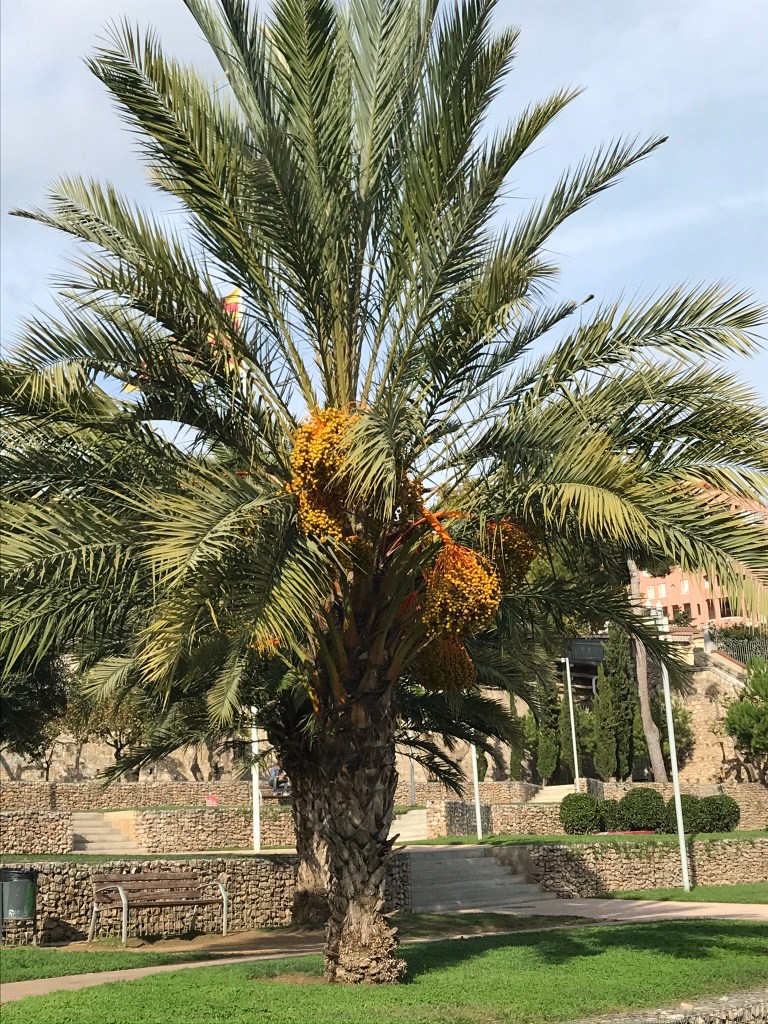
   And today, despite November, the blue of the Mediterranean Sea is visible everywhere from Tarragona, palm trees grow, flowers smell and the sun shines brightly.

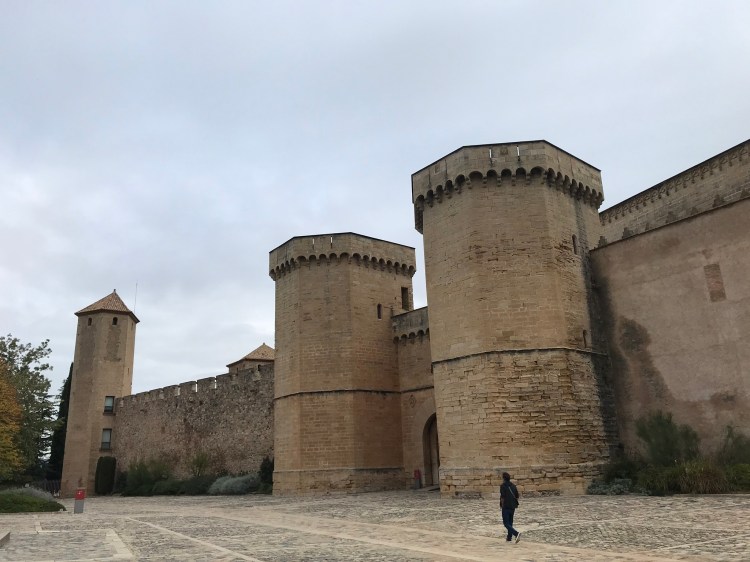
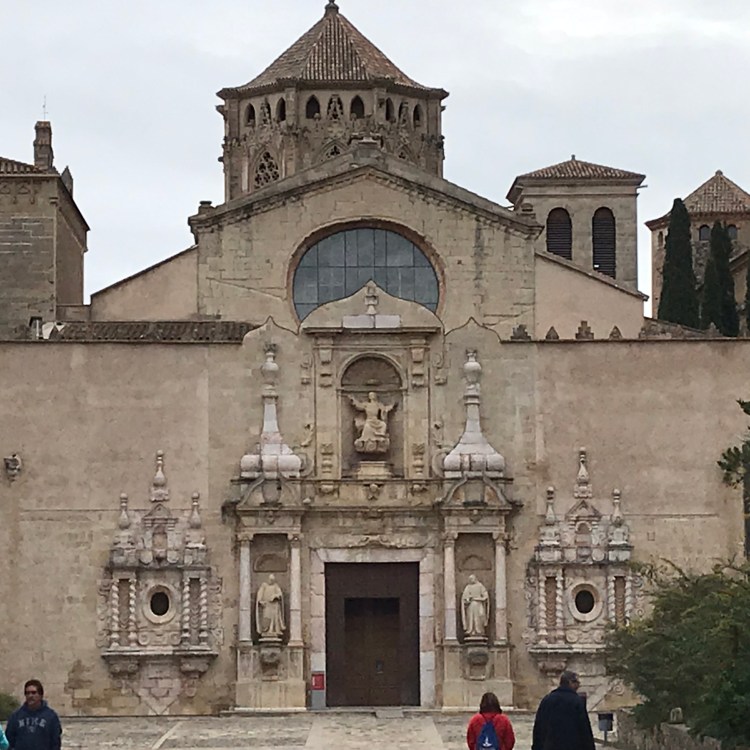
Poblet is a monastery where Aragonese kings and queens sleep. Spain.

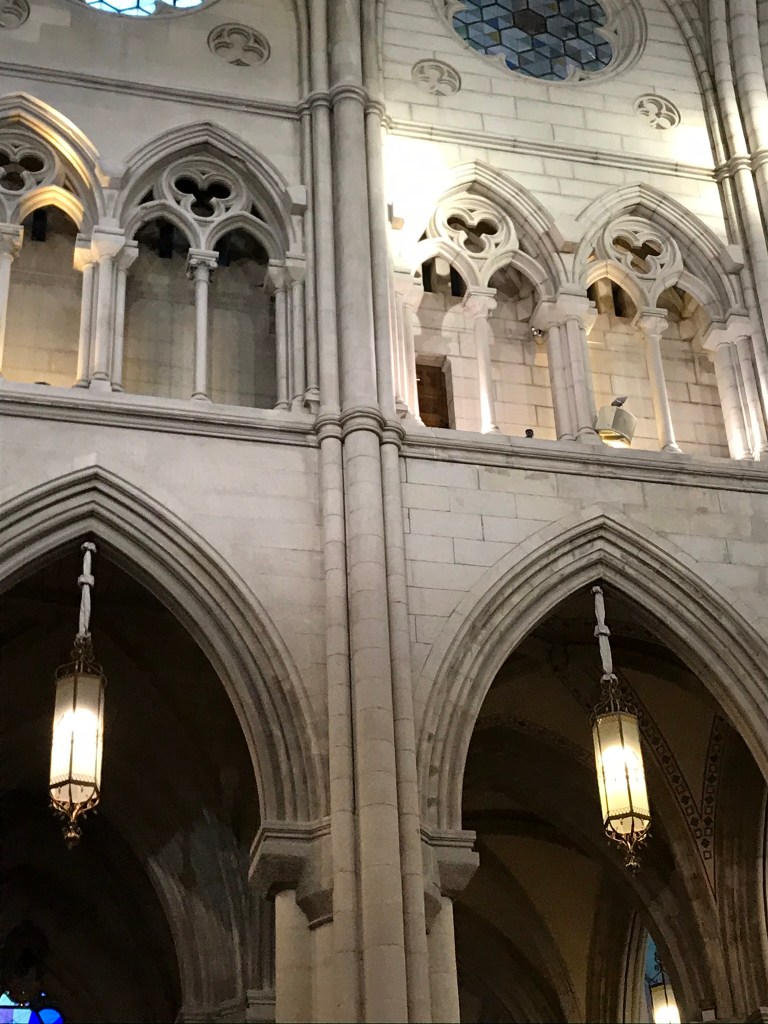
I open the massive door to the temple and hear loud organ music. My legs begin to walk at a certain pace, set by the sounding organ. A knight wakes up in me. And this is not just a game of knight, but really – confidence, readiness for battle, fearlessness. The sword hanging on the right presses on the hip. Without a doubt, the sword is a worker, and the warrior is battle-hardened. A side effect of the activation of the knight was the fact that I immediately showed aggression that was not characteristic of myself in upholding my authority. It was a cold shower that allowed me to wake up from knightly deeds.

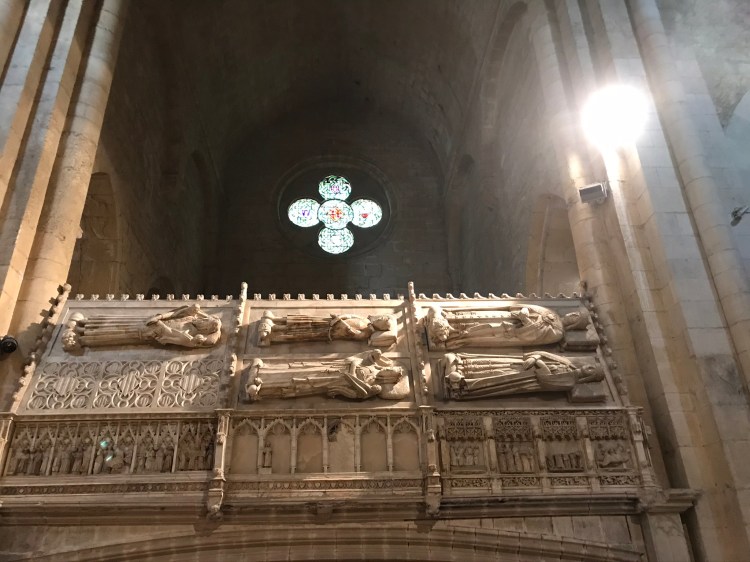
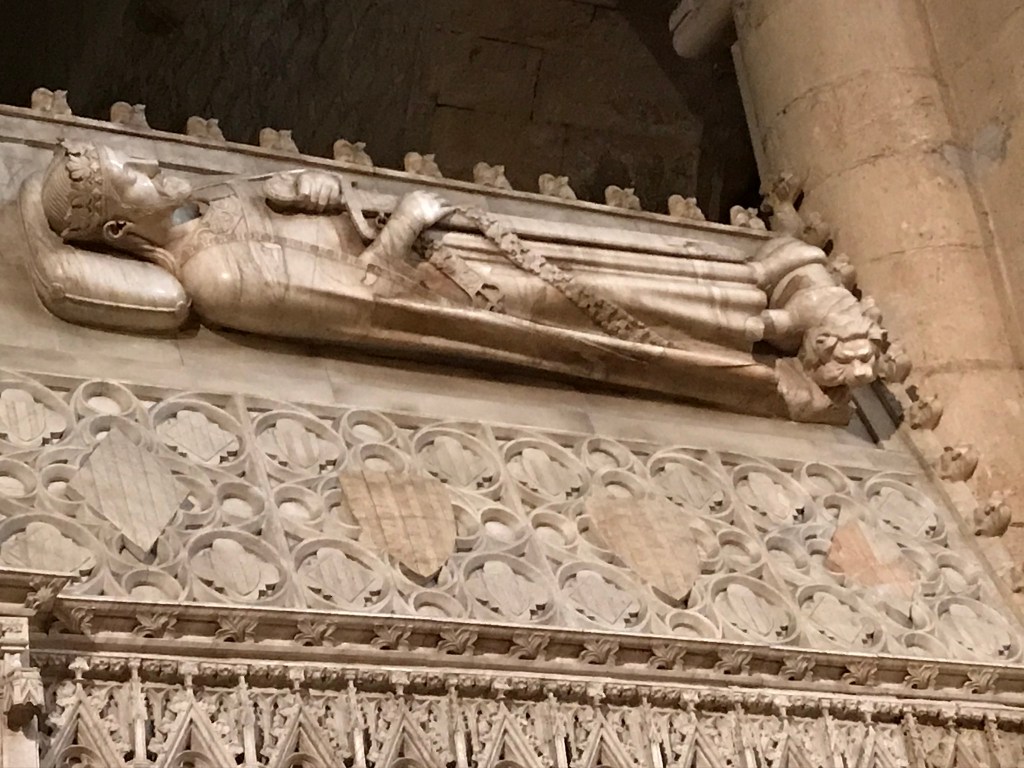
I go to the womb of the monastery, to the holy of holies – the tombs of the kings of Aragon.

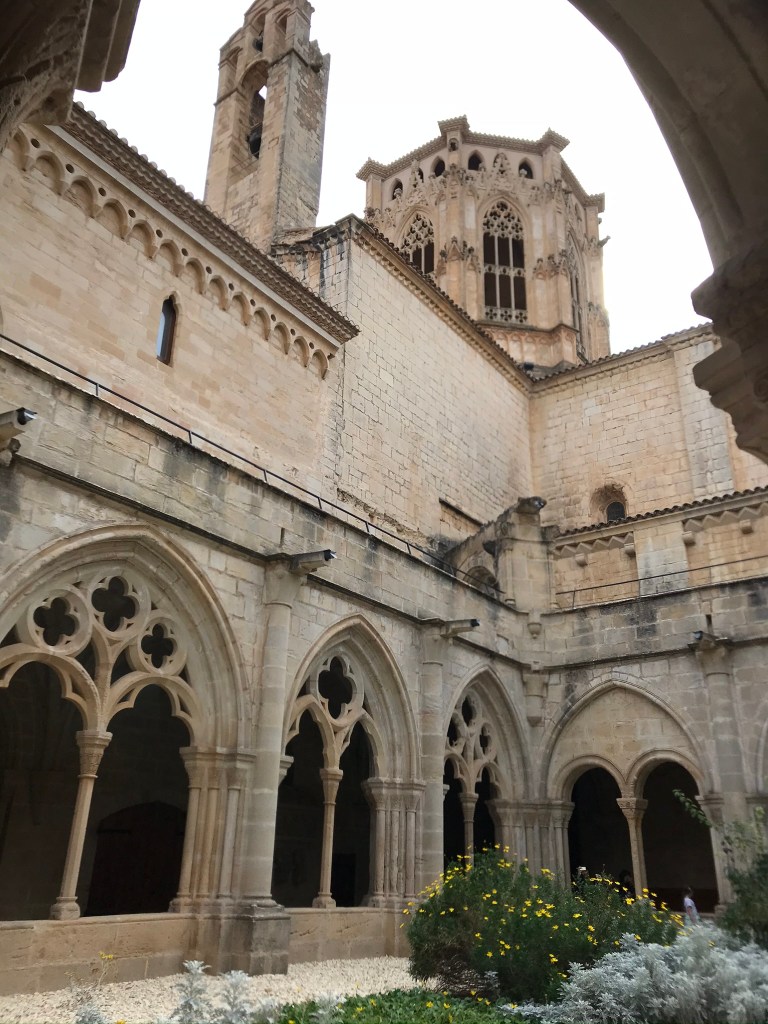
I must say that Poblet is a Cistercian monastery, which had great weight in the history of Catalonia.

But in the 19th century, it was abandoned, and in the 20th century, it was restored and open to the public. It is surprising why it has such high rooms, and not only for celebrations,

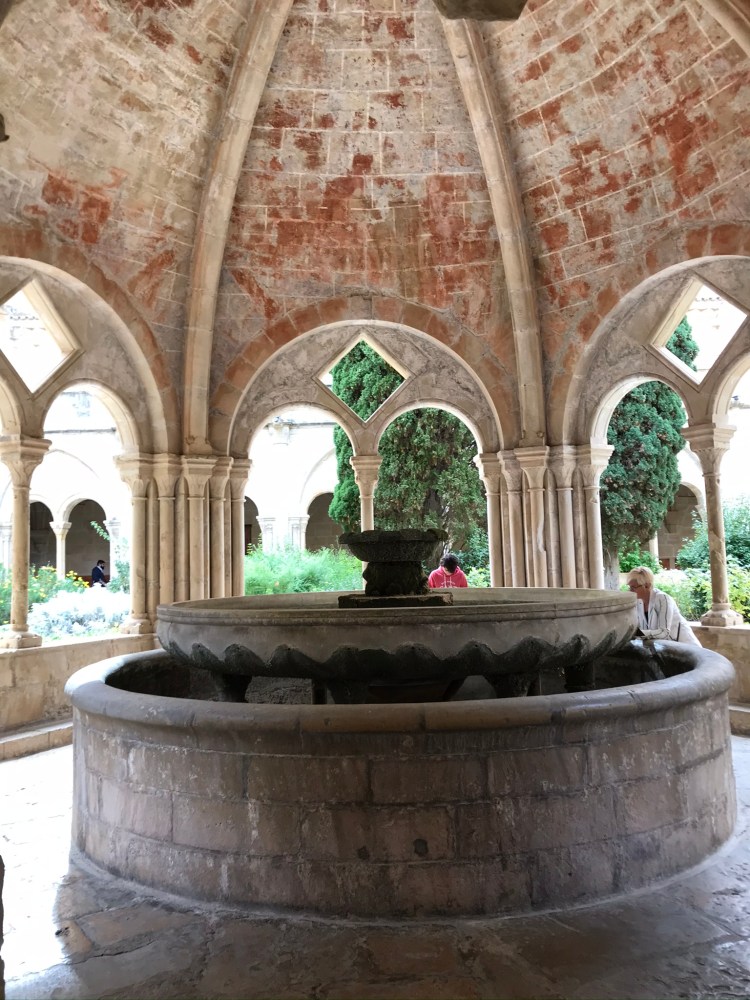
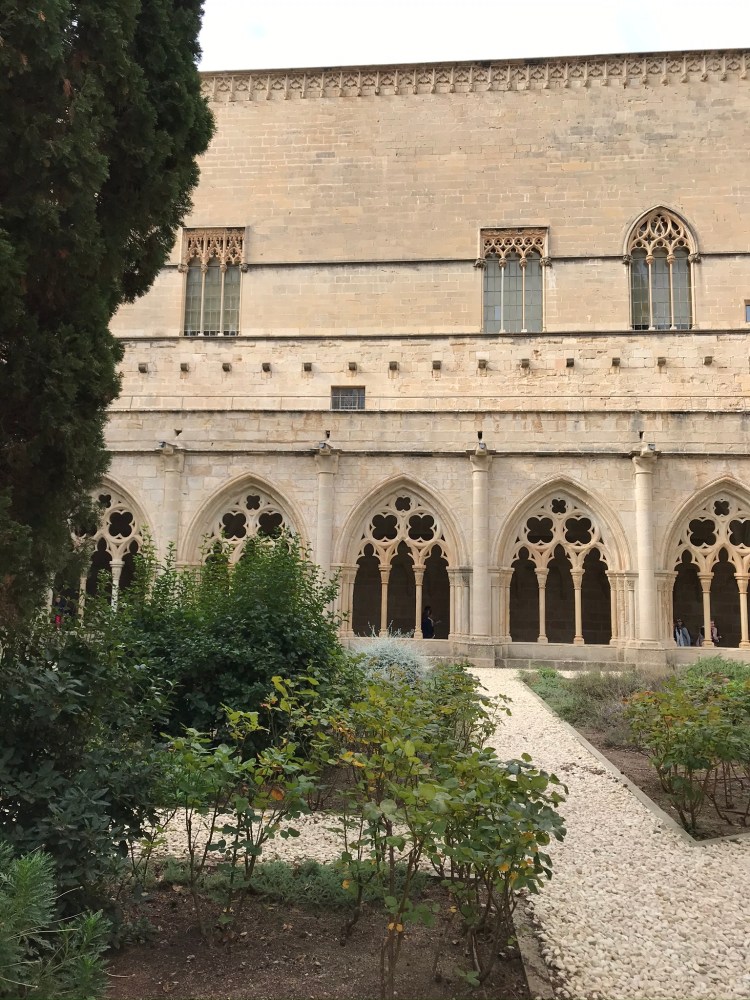
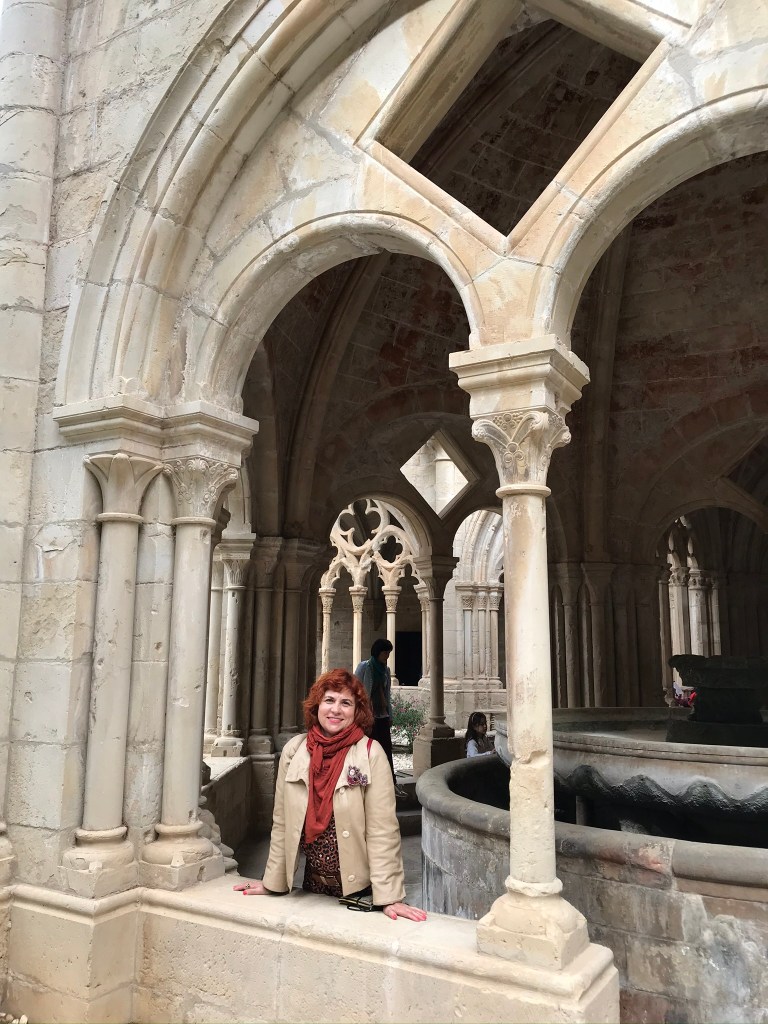
But in the kitchen, in the dining room, in the library? Not at all cells, but vice versa. Perhaps this is necessary for the flight, the aspiration of thoughts and spirit up to the divine heaven. I pass through a courtyard with a gazebo and a fountain in the center

surrounded by flowers and evergreen trees.

It’s as if I’m falling into a fairy kingdom. Luxury and beauty in the monastery, probably in order for the spirit to develop in beauty and grandeur, for the construction of the temple of the soul.

The external is like the internal.
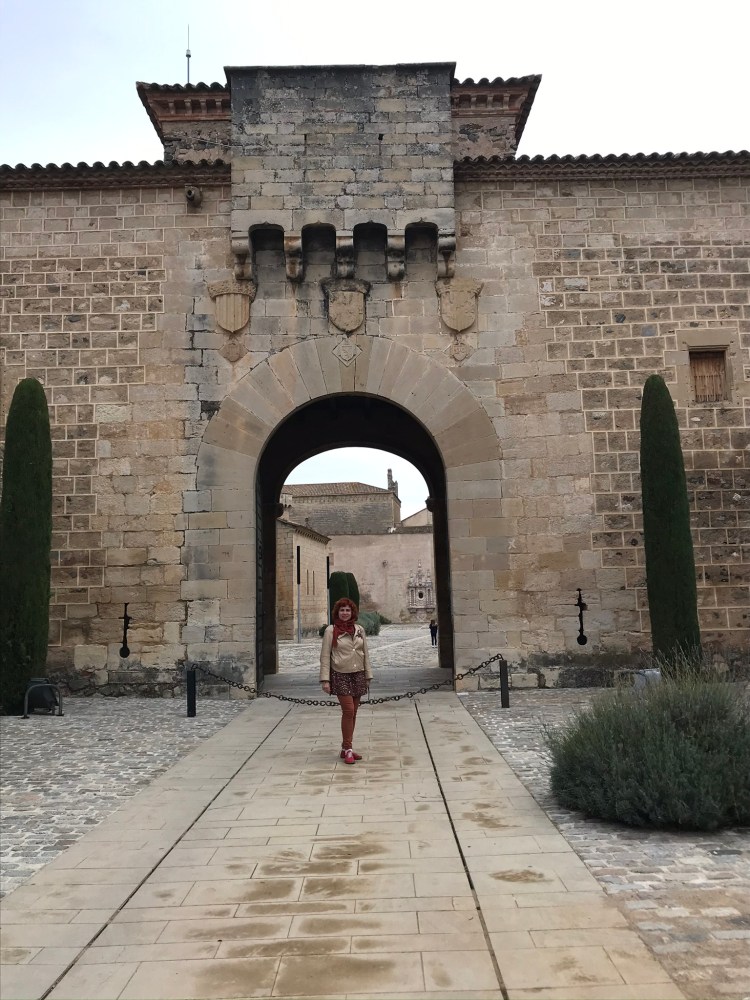
       From the very beginning, the entrance to the arch of the monastery was accompanied by external influence.

Some waves went through my body. The influence of some forces is noticeable. What was it? It looks like an ancient defensive spell and the influence of the monastery, as a place of power.
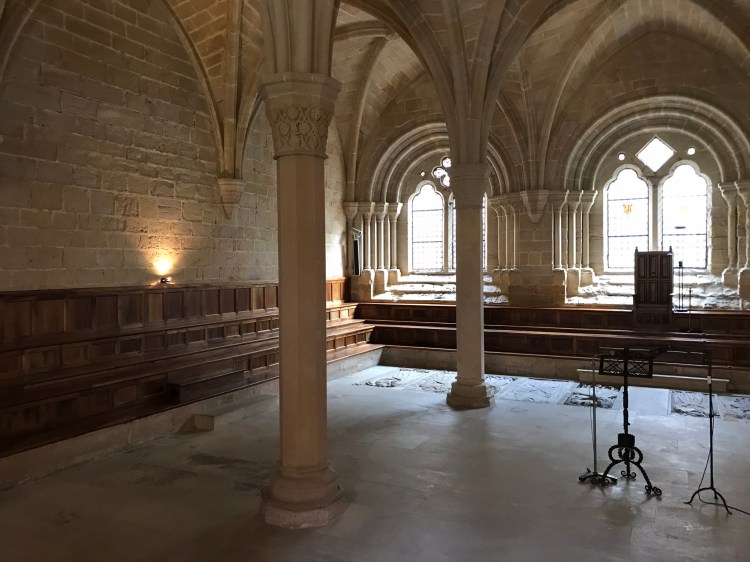
     In the hall near the tombs of Aragonese kings and queens, there are many unusual things.

Firstly, their sarcophagi are at a height above the visitors’ heads.

Secondly, the pulpit for preaching consists of two stone blocks polished in front with a picture of a triangle with an eye, a famous Masonic symbol, and underneath it is a hollowed-out picture resembling a large face.

Kings and queens are sleeping in this room, and such is the reality of this room that they will wake up when their time comes.


     Aragon kings are for me examples of real kings – noble, brave, active. Almost all of them were outstanding warriors and people who appreciated poetry and art. It was they who created the era of the troubadours.

The kingdom of Aragon existed from the beginning of the 11th century to the 15th century and was a bright lamp in the whole medieval world.
   11.11.19g.


It is convenient to go to Poblet from Barcelona or Tarragona