
Chernivtsi. I am discovering Bukovina. I wanted to understand what peoples lived here, who the people living in Chernivtsi came from. My personal affairs and classes on the discovery of Jupiter, who quickly handed me train tickets, brought me to this city. I gathered some positivity: it was cold outside, but not hot, and went to Chernivts.

As it turned out, this Tuesday was an open day at the museum.
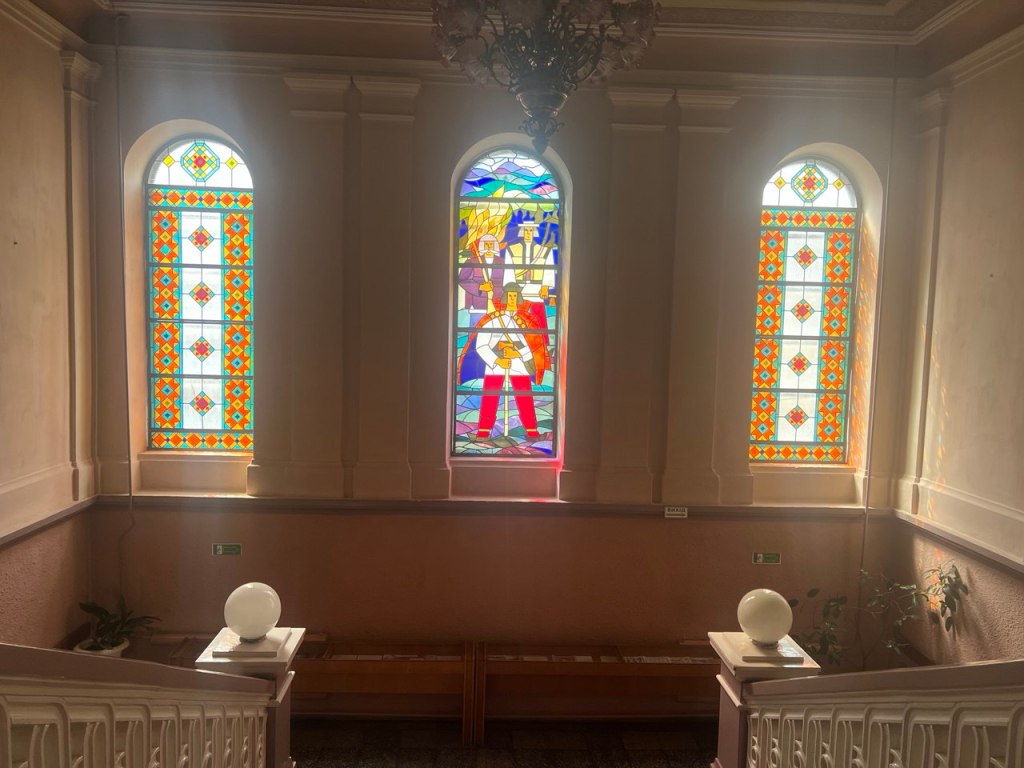
Together with the guide we went to understand the depths of the past. Some historical periods became quite clear to me, and some were not yet. Initially, there was a fortress called Chern on the left bank of the Prut River. In 1259, the Mongolian voivode Burundai (similar to Barmaley-))) burned down the wooden fortress. Then people moved to live on the right high bank of the Prut River. People always look for safer places. But that was already in the 13th century. And what was there before that? There were Carpathian burial mounds here, the Prague culture – this is when there is a stone stove in the corner. These lands were part of the Galicia-Volyn Principality and the Kiev State. But let’s go back to the 13th century to the Mongols, from whom these lands were liberated by Ludwig I of Anjou. Then came the Moldavian Principality.

From the 14th to the 17th century, wars took place here between the Ottoman Empire,

Poland, the Russian Empire. These states fought among themselves for the land called Bukovina.
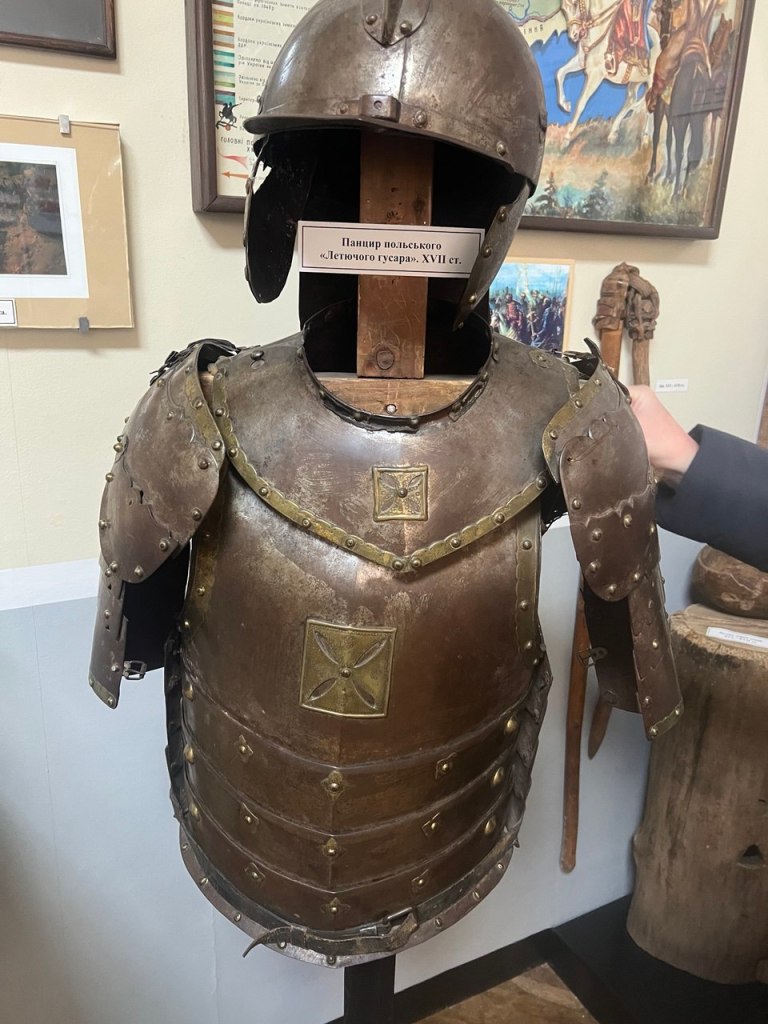
Petro Konashevich Sagaidachny fought here with his army, Bohdan Khmelnytsky fought here, and the Russian Tsar Peter the Great fought and was captured here.

Since 1849, the Duchy of Bukovina with its capital in Chernivtsi became part of the Austro-Hungarian Empire, where it remained until 1918. After the First World War, Bukovina with Chernivtsi became one of the provinces of Romania. This mixture of peoples and cultures gave the city a special charm. Tolerance is a feature of Chernivtsi.
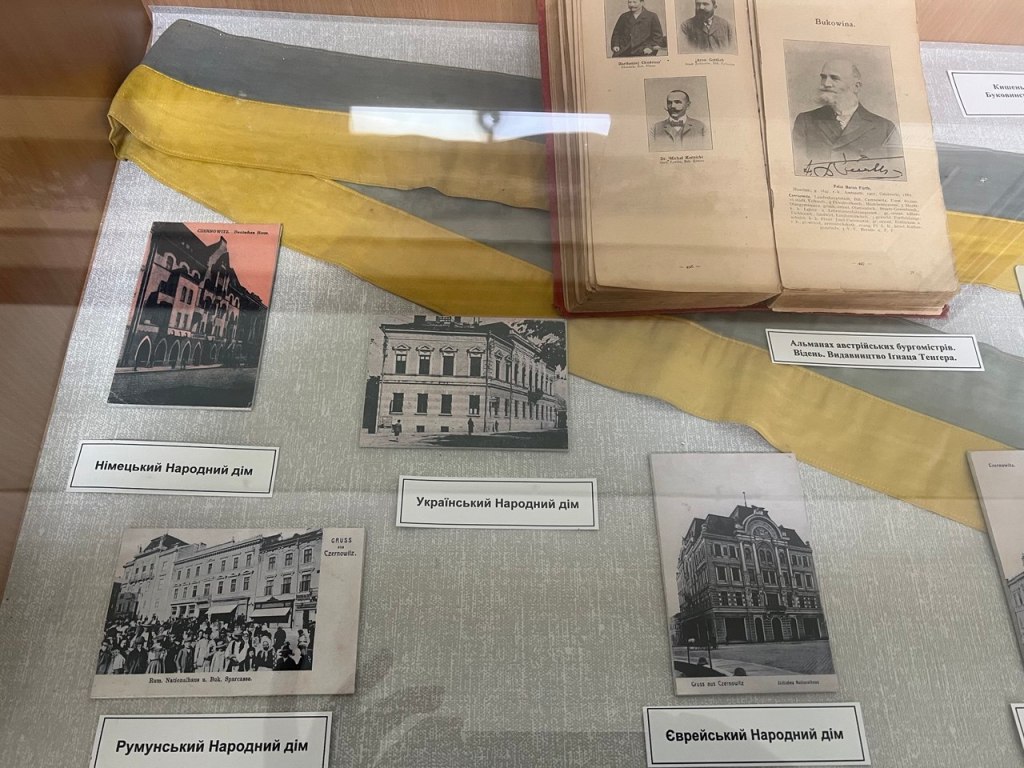
There were Polish, Jewish, German, Ukrainian and Romanian People’s Houses here.

They are still intact.

The central square of the city is Cathedral Square.

Decades of economic activity in Austria,
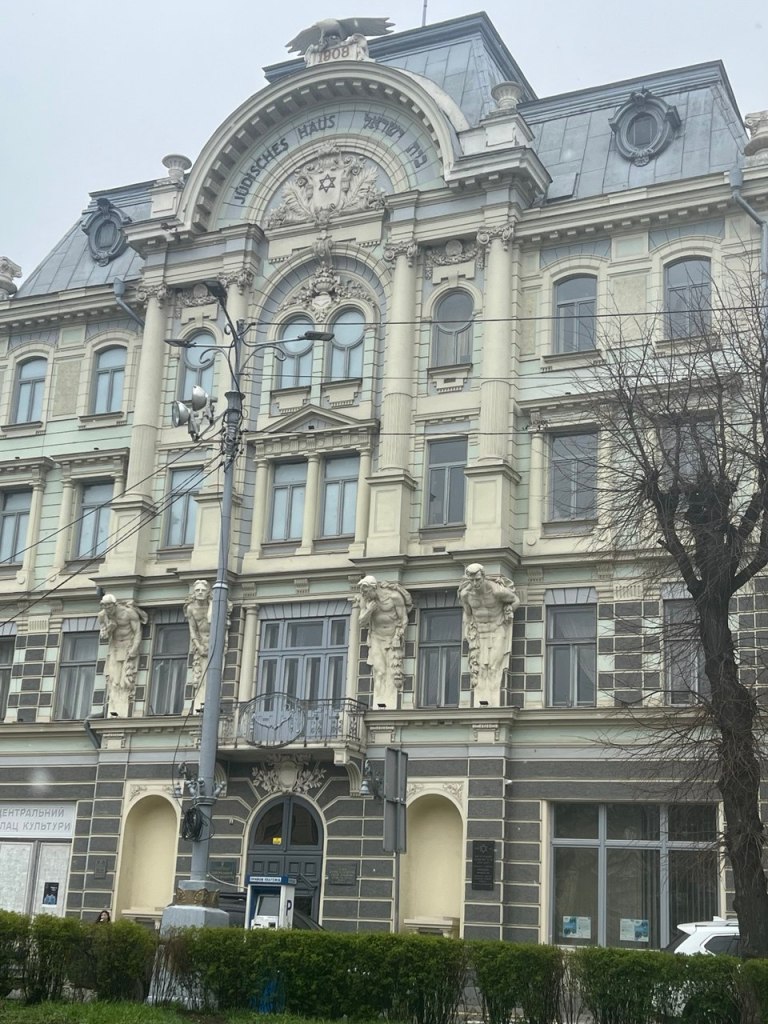
and then Romania brought a special style in architecture,

affected the image of the city.

Many houses look like German and Czech ones.

And the people here are kind and responsive, united by war, our native Ukrainians. April 8, 2025
 Belena Travel Blog